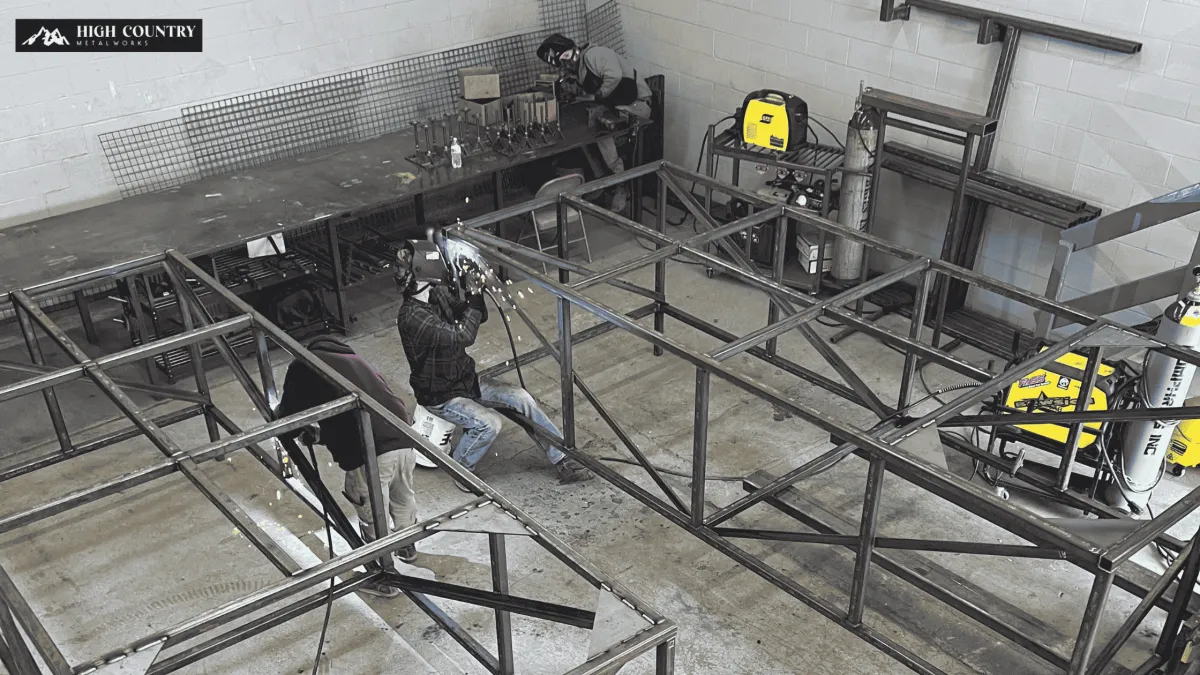
What GCs Should Know About Fabrication Lead Times?
Metal fabrication lead times for general contractors typically run 2 to 6 weeks, depending on project complexity, material availability, and how early design decisions get locked in. At High Country Metal Works, an 8-employee shop based in Provo, Utah, we've found that most schedule surprises trace back to timing, not shop delays, which is exactly what this guide is built to help you avoid.
Key Takeaways
Metal fabrication lead times generally span 2 to 6 weeks, with railings, staircases, and structural steel each following different timelines.
Most schedule slippage comes from scope decisions made after bidding closes, not from fabrication itself moving slowly.
A fabrication bid timeline holds together when material selection, code review, and shop capacity are confirmed before contracts are signed.
Working with a local, right-sized fabrication partner shortens the communication loop that hides delays on a construction subcontractor timeline.
Why Fabrication Lead Times Catch GCs Off Guard
Compressed schedules, not shop delays, cause most of the surprises we see around metal fabrication lead times. In our experience quoting jobs across the Wasatch Front, tighter project timelines have become the norm rather than the exception, leaving little room for drawing revisions, code review, or material sourcing once steel is already on order. A general contractor who treats fabrication like a same-day service, rather than a sequenced process, ends up absorbing the risk when a bracket set or stair frame lands late.
General contractor metal fabrication lead times shrink under pressure because early-stage bids rarely account for engineering and code review time. Custom metal railings, for example, are engineered for long-term durability and have to satisfy state and local safety codes before they're installed. That review step adds real time to any fabrication bid timeline, even on jobs where the shop work itself moves fast.
Common Causes of a GC Fabrication Schedule Slip
A GC fabrication schedule typically slips when scope decisions arrive after bidding closes. Structural type, material selection, railing configuration, and cost factors all shape production sequencing, and every unresolved decision pushes the shop's start date back.
Blind spots we run into most often on the shop floor:
Assuming fabrication starts the day a bid is awarded
Underestimating code review time for railings and stairs
Finalizing material choices after the shop schedule is locked
Treating shop capacity as unlimited during peak season
Closing these gaps early keeps dependent trades, framing, decking, and finish work on schedule instead of waiting on steel.
How a Local Fabricator Lowers Scheduling Risk
Working with a nearby shop narrows the communication gap that usually hides delays. High Country Metal Works operates out of Provo, Utah, which gives project managers and site superintendents a direct point of contact for scheduling questions instead of a distant sales line buried in a call queue.
What Shapes a Fabrication Bid Timeline
Four variables drive a fabrication bid timeline: material selection, project scope, code compliance, and partner selection. Skip a careful evaluation of any one, and estimators end up building a schedule on guesswork instead of fact. Missing these details early forces rework later, and rework is what turns a tight schedule into a blown deadline.
Material choice sets the pace from day one. Selecting metal that matches a project's climate, location, and budget during the bidding phase directly shapes fabrication time. A general contractor pricing exterior railings in a coastal or high-altitude environment needs a different alloy than one bidding an interior staircase, and that call affects everything downstream.
Scope matters just as much. A railing system built for stairs, balconies, decks, or terraces carries different structural and safety requirements, and that scope determines how much engineering review the bid timeline has to absorb. Larger structural scope means more review cycles before fabrication starts, particularly for custom metal staircases.
Why Code Compliance Affects Fabrication Scheduling
Building codes govern how railings get installed, not just how they look. Confirming installation methods meet code requirements during the bid stage catches problems before they reach the shop floor. Skip this step, and you invite delays once fabrication is already underway, when changes cost far more time and money.
How the Fabrication Partner Changes the Timeline
The right partner affects project timelines, quality, and cost outcomes across manufacturing, construction, and commercial work alike. General contractor metal fabrication lead times hinge on these decisions being made correctly and early, during bidding, not after contracts are signed.
How Project Complexity Reshapes a Construction Subcontractor Timeline
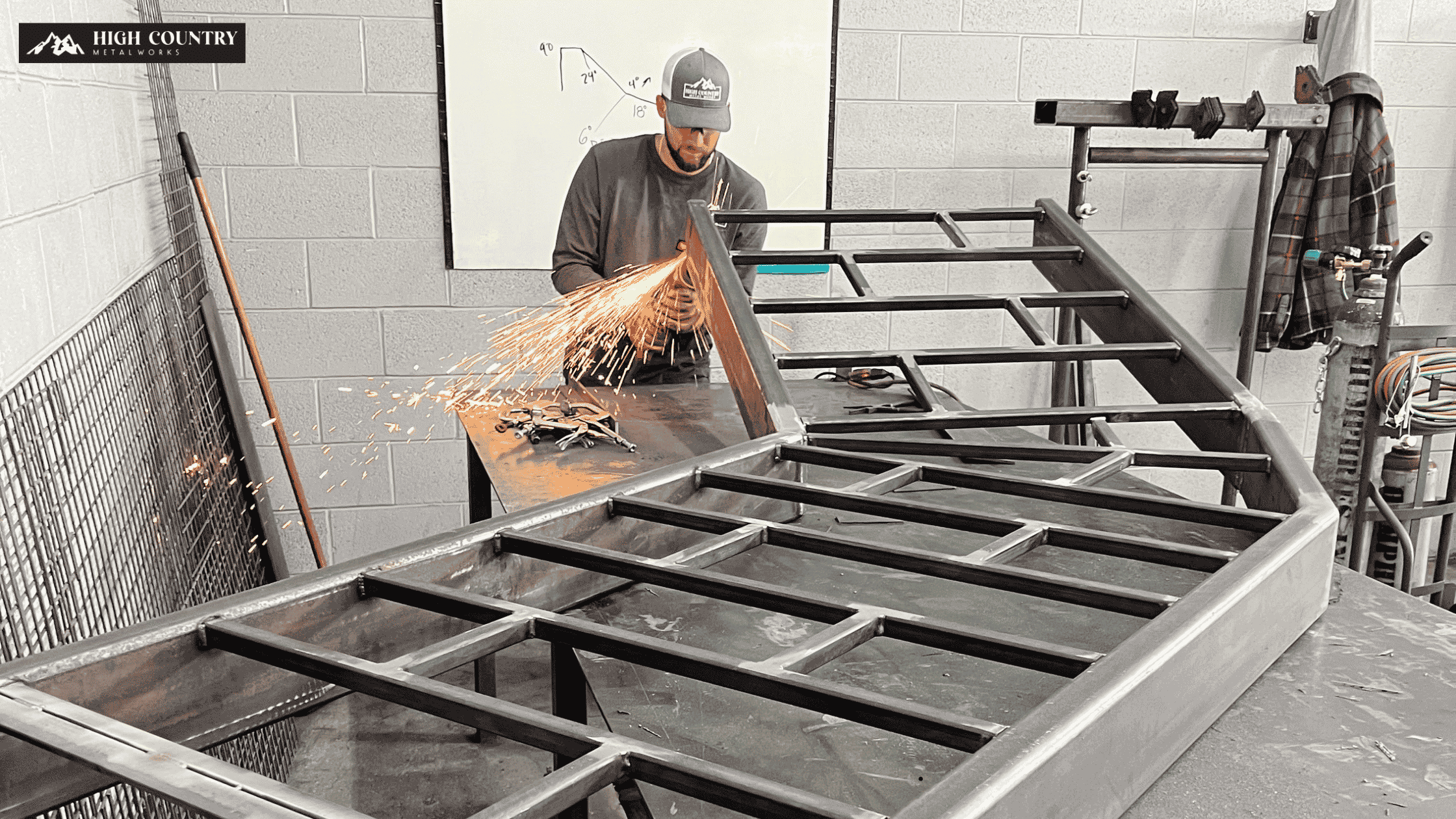
Complexity adds engineering hours, and engineering hours push back delivery dates. Floating stair systems illustrate the point well. Suspended treads with no visible stringers demand extra structural calculation before a single piece of steel gets cut, stretching the front end of any metal fabrication lead time estimate.
Material selection compounds the effect. Steel, aluminum, and wrought iron each carry different load-bearing properties, and engineers have to confirm capacity for the specific application before fabrication begins. Residential and commercial installs carry different code requirements, so the same design can trigger different review timelines depending on where it lands. This variability is why general contractor metal fabrication lead times are hard to standardize across projects.
Why Custom Anchoring Details Slow Down Fabrication
Treads anchored to a central spine, wall-mounted bracket, or cantilevered steel structure require precise fit-up work that off-the-shelf railing systems never face. Each connection point needs its own engineering review to confirm the floating-step illusion holds up under real-world loads. Superintendents building these details into a fabrication bid timeline should expect extra shop drawing rounds before steel work starts; we typically see two to three revision passes on floating stair projects alone.
What Raises Schedule Slippage Risk on Complex Projects
Risk climbs sharply when a project stacks structural loads, tight tolerances, and regulated operating conditions on top of one another. A single variable rarely derails a job; the combination does. Project managers building a GC fabrication schedule should flag these overlapping conditions early, since they compress the buffer available for design revisions, material substitutions, or inspection delays later on.
How GCs Protect Their Fabrication Schedule
General contractors protect fabrication schedules by locking design decisions early, confirming shop capacity upfront, and treating vendor relationships as project infrastructure rather than an afterthought. Skip these steps, and you invite the kind of quiet slippage that turns a two-week delay into a cascading schedule failure across framing, electrical, and finish trades.
Shop capacity isn't infinite, and GCs need that number before committing to dates. A fabricator's staffing level directly shapes how many projects can move through the shop at once. Our 8-person team here at High Country Metal Works is a detail we share upfront specifically so it informs realistic turnaround commitments rather than best-case promises. Confirming crew size before signing a fabrication bid timeline keeps expectations grounded in actual shop throughput.
Why Design Lock-In Matters for Custom Features
Custom engineered pieces can't bend to a rushed schedule the way stock parts can. A cantilevered stair with an open-riser profile requires precise structural calculations long before metal gets cut. Revisions after fabrication starts cost far more time than revisions caught on paper.
Demand adds another pressure point. Floating stairs are among the more frequently requested architectural features we see in current residential and commercial design work, which means shop calendars fill quickly. GCs who reserve capacity months ahead protect their GC fabrication schedule better than those who wait until framing is complete.
Relationships matter just as much as paperwork. Strong working ties with vendors, subcontractors, employees, and clients create the flexibility needed when field conditions shift. GCs who invest in those relationships early tend to see fewer surprises affecting general contractor metal fabrication lead times downstream, since fabricators prioritize partners they trust to communicate changes quickly.
What to Confirm Before Locking the Schedule
Four confirmations separate a fabrication bid timeline that holds from one that unravels mid-project. General contractors who verify shop location, material specs, code compliance, and procurement timing before signing off protect the entire GC fabrication schedule from downstream surprises. Skipping these checks costs far more time than performing them upfront.
General contractor metal fabrication lead times depend heavily on shop proximity to the job site. High Country Metal Works operates out of Provo, Utah, a detail that matters for freight planning and delivery windows. Confirming a fabricator's home base early lets project managers build realistic transit time into the schedule instead of guessing.
Does Climate Affect Railing Lead Times?
Yes, material selection tied to local conditions prevents costly rework. Utah's climate cycles through heavy snow, intense heat, and moisture exposure, all of which stress standard railing systems. Confirming that specified materials are engineered for these conditions before fabrication starts avoids the change orders that stall a project mid-stream.
Why Code Compliance Matters Before Fabrication Begins
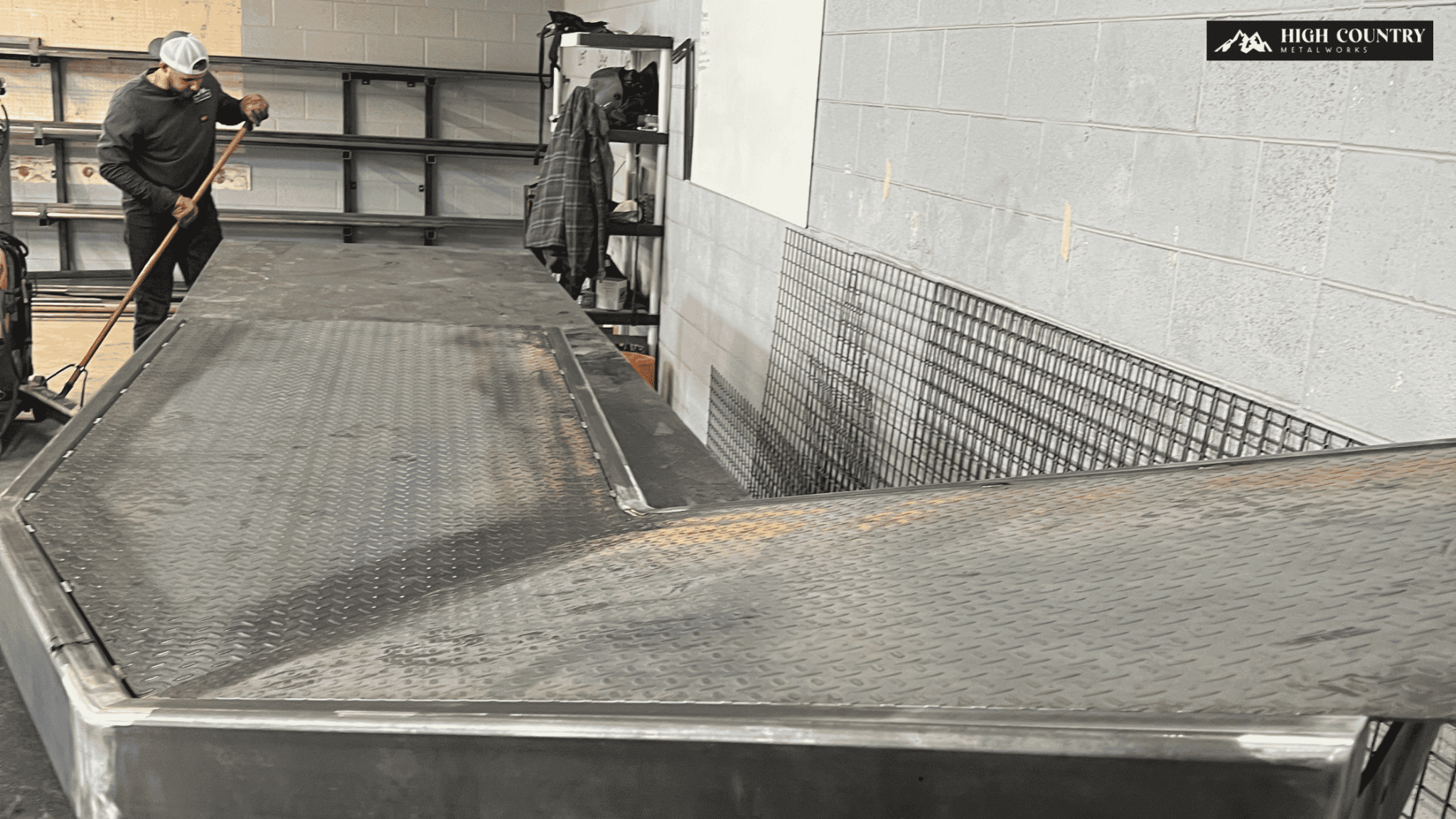
Installation methods that don't meet local building codes trigger failed inspections. Failed inspections mean rework, and rework means schedule slippage nobody budgeted for. Verifying code-compliant techniques during the design phase, not after installation, keeps inspection day from becoming a delay event.
Before locking anything in, contractors should confirm:
Shop location and typical delivery radius
Material ratings for regional weather exposure
Installation methods against current building codes
Procurement quantities, since metal fabrication lead times shift once orders are locked
Lead time risk builds quietly, long before procurement finalizes quantities. Addressing these four points early preserves flexibility that disappears once materials are ordered and shop sequencing begins.
Conclusion
Understanding metal fabrication lead times gives general contractors what they need to plan projects realistically and set honest expectations with clients. High Country Metal Works builds custom metalwork engineered for Utah's climate and local building codes, so your projects benefit from craftsmanship without compromise. Partner with a dedicated fabrication team early, and you get a schedule and a set of installations built to hold up over time.
FAQ
What are typical metal fabrication lead times for general contractors?
Metal fabrication lead times for general contractors typically run 2 to 6 weeks, depending on project complexity, material availability, and how early scope decisions get locked in.
What causes fabrication schedules to slip for general contractors?
Schedules slip when scope decisions like structural type, material selection, and railing configuration arrive after bidding closes, each pushing the shop's start date back and disrupting sequencing.
Does working with a local fabricator lower scheduling risk?
Yes, a nearby shop narrows the communication gap that often hides delays. High Country Metal Works' Provo, Utah location gives project managers a direct contact instead of a distant sales line.
Why do railing and stair projects take longer than expected?
Railings and stairs require engineering for long-term durability and review against state and local safety codes, and that code review step adds real time even when shop work moves quickly.
How can GCs build a more reliable fabrication bid timeline?
GCs get a more reliable fabrication bid timeline by confirming material selection, code compliance, and fabricator shop capacity during bidding, before design decisions are locked into a signed contract.


