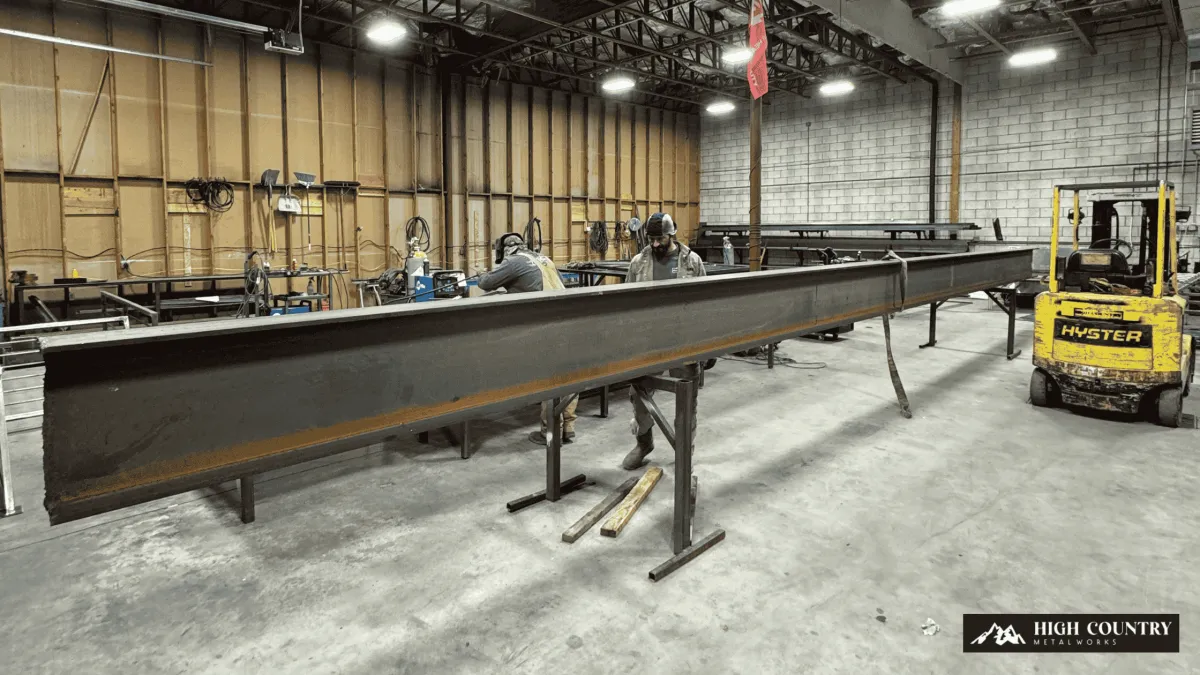
How Is Structural Steel Fabricated? From Plans to Finished Steel
Structural steel fabrication is the process of turning raw steel stock and engineered plans into finished, load-bearing components through shop drawing review, material procurement, cutting, welding or bolting, and protective finishing. A fabricator follows this sequence to convert an engineer's design intent into steel that meets exact dimensional tolerances before it ever reaches a job site for erection and final assembly.
Key Takeaways
Structural steel fabrication moves through five core stages: shop drawing review, material procurement, cutting and drilling, welding or bolting, and finishing.
Skipping or rushing any stage in the fabrication of steel structure work raises the risk of misaligned connections and costly field rework.
Weld quality and surface prep determine if a connection holds its rated load for the structure's life.
Finishing and corrosion protection extend the service life of fabricated structural steel exposed to weather and industrial conditions.
High Country Metal Works fabricates structural steel from its 8-employee shop in Provo, Utah, ensuring quality through certified welding procedures where applicable.
What Structural Steel Fabrication Actually Involves
Raw steel becomes a finished, load-bearing structure through several coordinated stages, each building on the one before it. Production starts with material selection and design review, moves through cutting and shaping, and ends with assembly, finishing, and quality inspection. A shop that skips or rushes a single stage weakens the final product and raises the odds of expensive rework once components reach the site.
Fabricated structural steel is the backbone of countless industrial and commercial facilities, supporting production equipment, process piping, platforms, mezzanines, and stair systems that a facility depends on every day. General contractors and property developers who underestimate this role risk load-bearing failures or expensive retrofits later in a project's life.
The fabrication of steel structure components spans a wide range of applications, from multi-story commercial buildings to bridges, parking structures, and industrial platforms. Each application carries its own tolerances, connection requirements, and finishing standards, so a parking structure demands different detailing than a pedestrian bridge even if both rely on the same core structural steel fabrication principles.
The Five Stages of the Fabrication Process
Most structural steel fabrication projects move through design and detailing, cutting, forming, welding or bolting, and finishing before final assembly. Quality checks happen at each transition point, not only at the end, since a staged approach catches defects early.
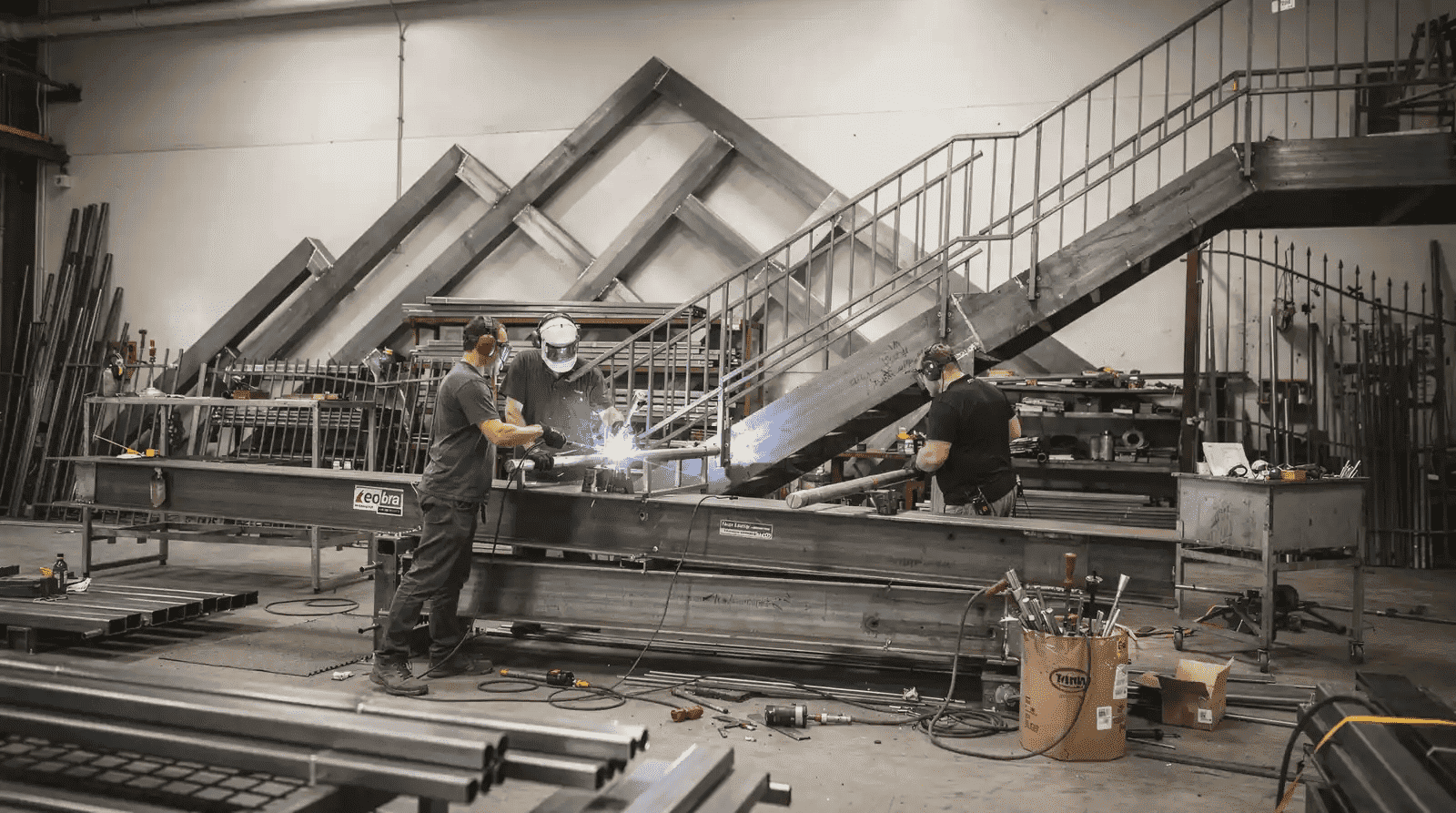
Shop drawing review. Engineers' plans are translated into detailed shop drawings that specify every cut, hole, and connection.
Material procurement. Steel stock is sourced and verified against project specifications before any cutting begins.
Cutting and drilling. Plates, beams, and columns are shaped and bored to precise dimensions using saws, plasma or laser cutters, and CNC drills.
Welding or bolting. Individual pieces are joined into finished structural steel components using certified welding procedures or bolted connections.
Finishing. Primer and protective coatings are applied to guard against corrosion before delivery.
High Country Metal Works applies this same disciplined approach to fabricated steel structures built for residential and commercial clients across Utah. Decorative railings, staircases, and gates require the same precision as heavier structural components, so architects and project managers working with the shop can expect consistent attention to detail across functional and aesthetic work, project after project.
Turning Engineering Plans Into Shop-Ready Steel
Engineering drawings become buildable plans through a sequence of checks, translations, and quality reviews long before a cutting torch touches steel. Skipping a step in this chain raises the risk of misaligned connections, delayed erection schedules, and rework that eats into a project's budget.
Cutting and welding represent the visible end of the process, not the whole of it. Fabricating steel structure components depends on planning and precision at each stage, starting with detailed shop drawings and material verification. Skilled teams review engineering specifications, confirm load requirements, and sequence the work so every beam, column, and connection arrives on site ready to install without field modifications.
Experience separates a fabricator that catches errors early from one that passes them downstream to the erection crew.
Miscommunication during design creates expensive surprises once fabrication starts. Clients working with a reliable structural steel fabricator get direct, ongoing communication throughout planning, which keeps specifications aligned between engineers, contractors, and shop staff:
Material selection matched to project loads and site conditions
Shop drawing review before cutting begins
Ongoing coordination between design intent and fabrication capability
This structured approach helps property developers and project managers avoid delays that stem from unclear instructions or last-minute design changes.
How Steel Gets Cut, Bent, and Assembled
Raw steel beams, plates, and columns start the process, and fabricators reshape this stock into the exact dimensions a project requires. Each step follows engineering drawings precisely, leaving little room for guesswork once material reaches a job site.
The fabrication of steel structure work covers three core operations:
Cutting shapes from raw stock to specified dimensions using saws, plasma cutters, or CNC laser systems for tight tolerances.
Bending forms angles and curves without weakening the metal, using press brakes or rolling equipment matched to the steel gauge.
Assembly brings individual pieces together into a coherent frame, tack-welded or clamped into position before final connections are made.
These operations produce fabricated steel structures used in bridges, housing developments, factories, and large commercial buildings. Skipping a stage compromises fit and strength downstream, particularly on projects with tight erection schedules.
Why Weld Quality Determines Structural Performance
Welding fuses metal through applied heat, forming joints strong enough to carry structural loads permanently. A joint that fails under stress threatens an entire assembly, not just one connection point. Rust, oil, or debris left on a joint before welding weakens penetration and invites premature failure years down the line.
Certified welders follow documented welding procedure specifications matched to the steel grade and connection type, using shielded metal arc welding, gas metal arc welding, or flux-cored processes as the job requires. Inspectors check weld size, profile, and penetration against the project's structural drawings before a component moves to the finishing stage.
Proper safety gear and adequate ventilation remain non-negotiable whenever welding equipment runs. Gloves, eye protection, and respiratory equipment shield welders from sparks, fumes, and ultraviolet exposure. A well-ventilated shop also keeps weld quality consistent, since contaminated air affects visibility and precision during long production runs.
How Fabricated Steel Gets Finished and Protected
Finishing and protection determine how long fabricated structural steel performs before corrosion or weather exposure compromises its integrity. Property developers and project managers rely on these finishing steps to protect their investment long after the crane lifts the last beam.
Every protection process starts the same way: cleaning and assessment. Fabricators inspect the surface first, gauging corrosion severity before selecting a removal method, because guessing wrong wastes labor and risks damaging sound metal underneath.
Light surface rust typically responds to mechanical abrasion, while deeper corrosion on fabricated steel structures often requires chemical intervention using phosphoric acid, citric acid, or commercial rust-removal formulations. Choosing the right approach preserves the base metal instead of stripping away material that doesn't need removal.
Timing separates a durable finish from a short-lived one. Exposed steel begins flash rusting almost immediately once cleaned, so primer application cannot wait:
Clean and assess the surface before selecting a treatment method.
Remove stubborn corrosion with acid-based or commercial formulations.
Apply rust-inhibiting primer immediately after treatment to block flash rusting.
Follow with a protective topcoat suited to the project's climate exposure.
The fabrication of steel structure projects hinges on this sequence. Skipping any step shortens service life and invites premature repair costs. Steel also carries a sustainability advantage: it can be recycled repeatedly without losing its structural properties, supporting sustainability goals on commercial builds.
What a Reliable Structural Steel Fabricator Delivers
A dependable structural steel fabricator delivers consistent quality from start to finish, covering design consultation, engineering coordination, and final installation support. Anything less exposes a project to delays, rework, and unplanned costs.
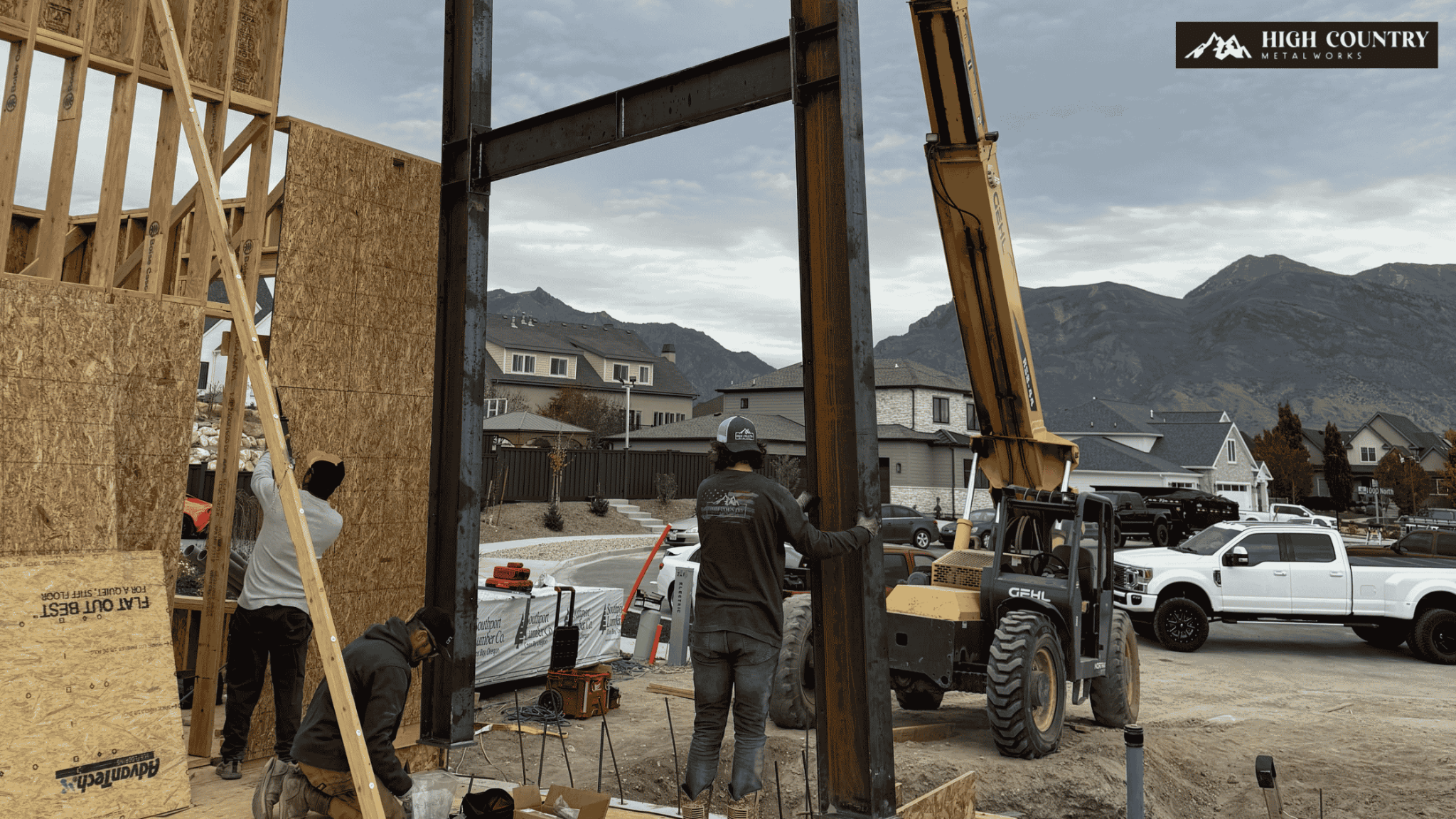
Local building authorities enforce structural and safety codes strictly, and even small deviations on fabricated structural steel can trigger costly violations or mandatory reconstruction. A qualified fabricator builds code compliance into every phase of the work rather than treating it as a final checklist item.
Attention to detail at every step is the clearest signal of a trustworthy shop. Fabricators who verify measurements, material specifications, and weld quality before moving to the next stage catch problems early, when they're cheapest to fix.
Contractors and architects evaluating a structural steel fabrication partner should look for:
Transparent project timelines and milestone updates
Documented quality checks at each production stage
Clear accountability for code compliance
Direct communication between engineering, shop, and installation teams
A fabricator that delivers on these fronts becomes a long-term asset rather than a one-time vendor. Consistency, not just capability, is what separates a partner worth repeat business from one worth avoiding.
Structural Steel Fabrication in Provo, Utah
High Country Metal Works is an 8-employee structural steel fabrication shop based in Provo, Utah, serving general contractors, property developers, and homeowners across the Wasatch Front. The team fabricates structural steel components alongside decorative railings, staircases, gates, and custom metalwork, applying the same shop drawing review, welding standards, and finishing process to every project regardless of scale.
From initial design review through final quality inspection, structural steel fabrication demands precision, expertise, and consistent attention to detail at every stage. Contractors and developers planning a project can request a shop drawing review or material consultation directly with High Country Metal Works' fabrication team.
FAQ
What are the five core stages of structural steel fabrication?
Shop drawing review, material procurement, cutting and drilling, welding or bolting connections, and finishing with primer or protective coatings.
Why does quality control happen at each stage instead of only at the end?
Checks at every transition point catch defects early, before they compound into structural or scheduling problems and drive up rework costs.
Who fabricates structural steel in Provo, Utah?
High Country Metal Works, an 8-employee shop in Provo, Utah, fabricates structural steel components alongside decorative railings, staircases, and gates.
How long does structural steel fabrication typically take?
Timelines vary with project size and complexity, but most jobs move through drawing review, procurement, cutting, welding, and finishing within a shop-defined production schedule set at project kickoff.
Why is priming timing important after welding structural steel?
Cleaned steel begins flash rusting almost immediately, so primer needs to go on right after surface treatment to block corrosion before it starts.


