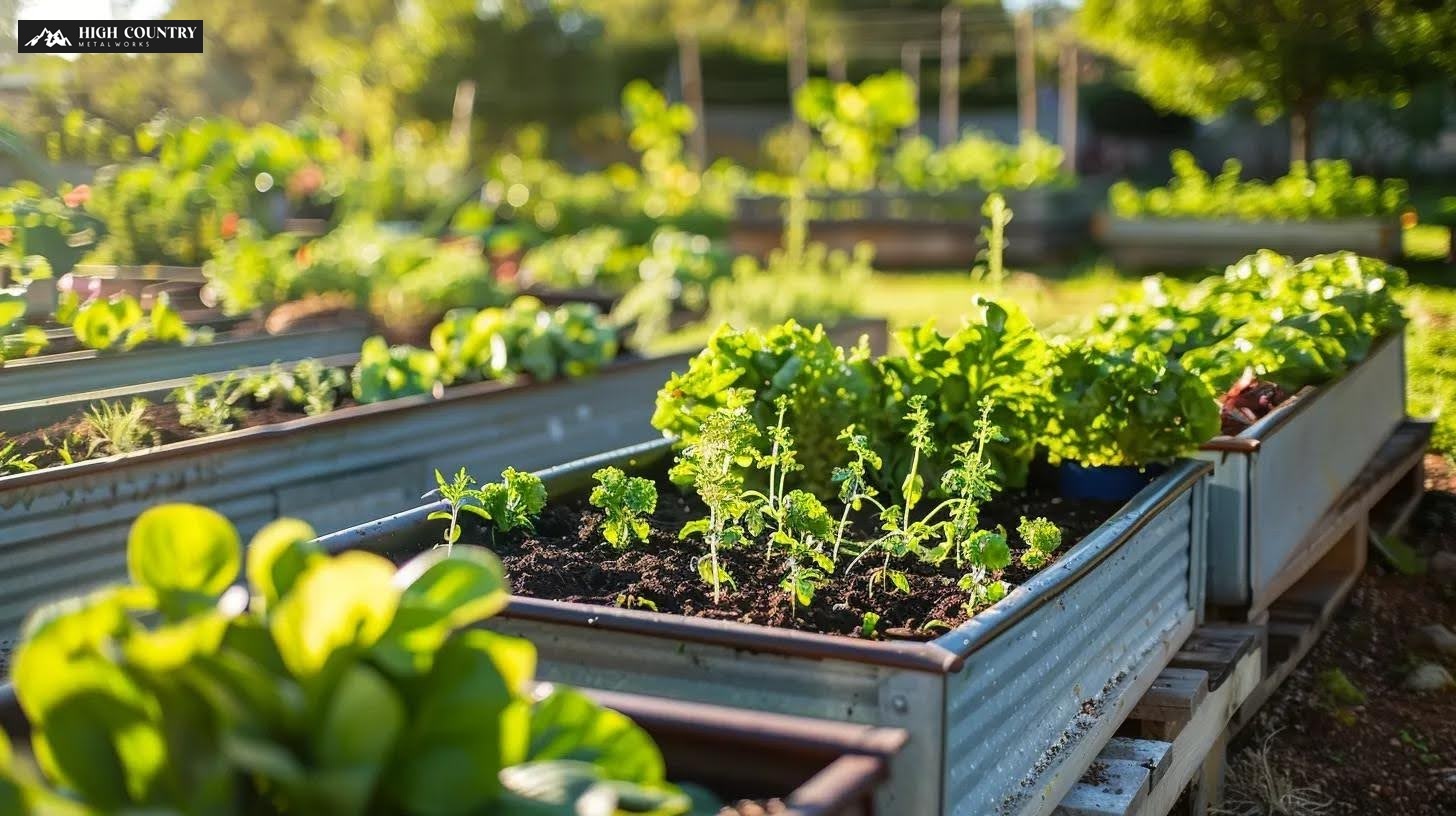
Are Galvanized Steel Garden Beds Safe For Growing Veggies?
Galvanized steel garden beds are safe for growing vegetables. The zinc coating leaches into soil at minimal levels well within safety thresholds, and zinc is actually a micronutrient plants need. Using a liner, maintaining soil pH between 6.0-7.0, and testing soil periodically eliminates virtually any remaining concerns for food crops.
Key Takeaways
Galvanized steel garden beds are safe for vegetables when installed and maintained correctly
Zinc leaching is minimal under normal conditions and stays within safe limits for edible crops
A food-safe HDPE liner is optional but adds extra protection if desired
Soil pH of 6.0–7.0 slows zinc availability, and avoid highly acidic growing mixes
Galvanized raised beds last 20–30 years, outperforming wood, plastic, and masonry alternatives
Periodic soil testing every 2–3 years confirms zinc levels remain in a healthy range
Tomatoes, peppers, root vegetables, and herbs all thrive in galvanized steel planter boxes
Custom-fabricated beds ensure correct dimensions, drainage, and material standards for your specific garden
Galvanized steel garden beds have become one of the most popular choices for home gardeners and small-scale growers. Their clean, modern look and impressive lifespan make them a compelling alternative to wood or plastic. But one question comes up again and again: are galvanized raised beds safe for growing food?
This comprehensive guide breaks down the science behind galvanized steel, addresses the most common safety concerns, compares it to other raised bed materials, and offers practical advice on installation and maintenance. By the end, you'll have everything you need to decide whether galvanized raised garden beds are the right fit for your vegetable garden.
What Is Galvanized Steel, and How Is It Made?
Galvanized steel is carbon steel that has been coated with a layer of zinc through a process called hot-dip galvanization. The steel is submerged in molten zinc, creating a tightly bonded metallurgical coating that protects the underlying metal from rust and corrosion.
This zinc layer is the key to what makes galvanized steel garden beds so durable. It acts as a sacrificial barrier; even if the surface is scratched, the zinc oxidizes preferentially, protecting the steel beneath. The result is a material that can withstand moisture, soil contact, and harsh weather for decades without structural failure.
Most galvanized steel planter boxes and raised garden beds use steel with a G90 or higher galvanization rating, meaning at least 0.90 oz of zinc per square foot of surface. This is the standard most reputable manufacturers follow for agricultural and outdoor use.
Is Galvanized Raised Bed Safe to Use for Vegetables?
This is the core question, and the short answer is: yes, when used correctly, galvanized raised garden beds are safe for growing vegetables.
Here's the more detailed answer.
What the Research Says
The primary concern gardeners have is whether zinc from the coating can leach into the soil and be absorbed by plants at harmful levels. Multiple peer-reviewed studies and soil safety assessments have examined this question, and the findings are reassuring:
Zinc is a naturally occurring micronutrient that plants actually need in small amounts to grow properly.
The rate at which zinc leaches from galvanized steel into garden soil is very slow under normal conditions.
In properly managed garden beds, zinc concentrations remain well within safe thresholds for both soil health and human consumption.
Soil pH and organic matter content play a much larger role in zinc availability than the presence of a galvanized bed.
The World Health Organization and major agricultural extension programs have found no credible evidence that correctly installed galvanized steel planter boxes pose a meaningful risk to food crops or to people eating food grown in them.
When Could Galvanized Steel Be a Concern?
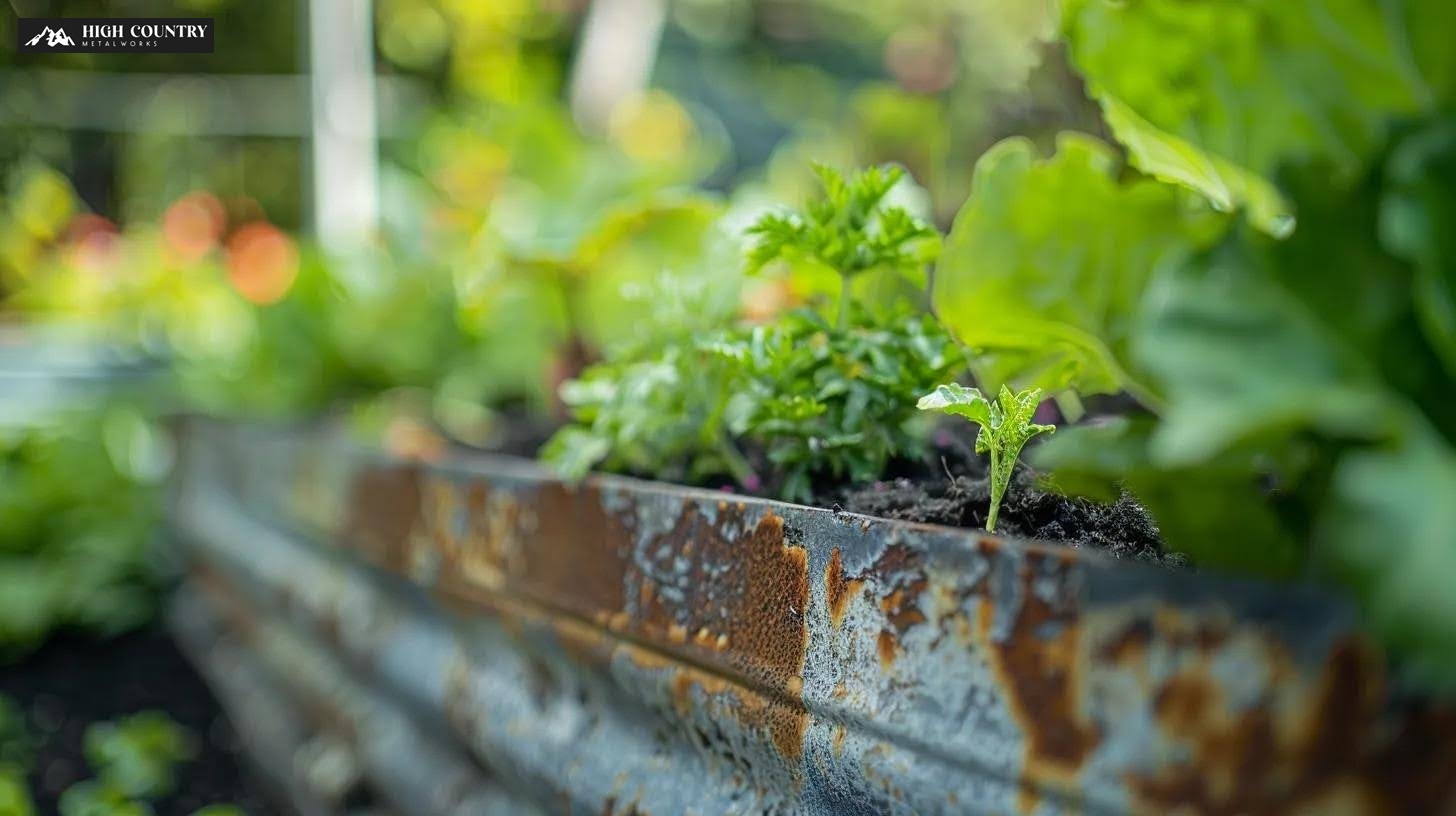
Risk increases primarily in two situations: when soil is highly acidic (below pH 5.5), which can accelerate zinc leaching, and when beds are used for decades without soil replacement or testing. Particularly cautious gardeners, especially those growing for young children or immunocompromised individuals, can add a liner to nearly eliminate any direct soil-to-metal contact.
For the vast majority of home gardeners, galvanized raised beds present no meaningful safety issue.
Galvanized Steel Garden Beds vs. Other Raised Bed Materials
Understanding how galvanized steel compares to the alternatives helps explain why it has become so widely used.
Galvanized Steel vs. Wood
Untreated wood rots. Even rot-resistant cedar typically lasts 10–15 years in ground contact, and cheaper pine may need replacement in as little as 3–5 years. Historically, treated lumber used chemicals like chromated copper arsenate (CCA), which raised far more legitimate food safety concerns than zinc ever has. Galvanized steel raised beds last 20 years or more with basic maintenance, translating to lower long-term cost and less material waste.
Galvanized Steel vs. Plastic
Plastic beds degrade under UV exposure, crack in cold climates, and can leach compounds into soil, particularly when low-quality or recycled materials are used. They also bow under heavy soil loads. Galvanized steel garden beds maintain their shape indefinitely and don't release microplastics into your growing medium.
Galvanized Steel vs. Concrete Block or Stone
Masonry beds are permanent and expensive to build, difficult to relocate, and can significantly alter drainage and soil temperature. Galvanized steel planter boxes offer comparable durability with far more flexibility; they can be moved or reconfigured as your garden evolves.
Key Benefits of Galvanized Steel Garden Beds
Beyond safety, there are strong practical reasons why galvanized raised beds outperform other options.
Exceptional longevity. A properly made galvanized steel garden bed can last 20–30 years with minimal maintenance, outpacing wood by a significant margin.
Superior corrosion resistance. The zinc coating protects against the moisture, soil acids, and weather exposure that destroy other materials. This is especially valuable in rainy climates or irrigated gardens.
Pest and rot resistance. Unlike wood, galvanized steel doesn't attract termites, carpenter ants, or wood-boring beetles. It also can't rot, warp, or split.
Soil temperature regulation. Metal beds absorb heat during the day and release it gradually overnight, extending the growing season in cooler climates and helping warm-season crops like tomatoes and peppers thrive.
Recyclability. Steel is one of the most recycled materials on the planet. At the end of its service life, a galvanized steel planter box can be fully recycled, a meaningful advantage over plastic alternatives.
Low maintenance. Unlike wood, which may need annual sealing or staining, galvanized steel requires only occasional inspection and minor touch-ups if the coating is damaged.
How to Install Galvanized Steel Raised Garden Beds Safely
Following a few best installation practices significantly reduces any residual concerns and maximizes the lifespan of your beds.
1. Choose the Right Location
Select a site with good sun exposure and natural drainage. Avoid low spots where water pools, as standing water accelerates corrosion at the base of the bed over time.
2. Use a Liner if Desired
A heavy-duty polyethylene or food-safe HDPE liner placed inside the bed creates a barrier between the soil and the metal walls. This is completely optional for most gardeners, but it is a worthwhile precaution if you prefer belt-and-suspenders reassurance or if your native soil is unusually acidic.
Ensure any liner you use has drainage holes at the base. Never allow water to pool inside the liner, as trapped moisture can cause issues for both plants and the bed structure.
3. Fill with Quality Soil
Use a well-draining blend of topsoil, compost, and a coarse amendment like perlite or aged wood chips. Avoid dense clay soils that retain excessive moisture. A soil pH of 6.0–7.0 is ideal for most vegetables and keeps zinc in a less available form.
4. Ensure Proper Drainage
If installing on compacted ground, break up the soil beneath the bed or add a layer of gravel to promote drainage. Waterlogged soil is the enemy of both plants and galvanized steel.
Maintaining Your Galvanized Raised Garden Beds
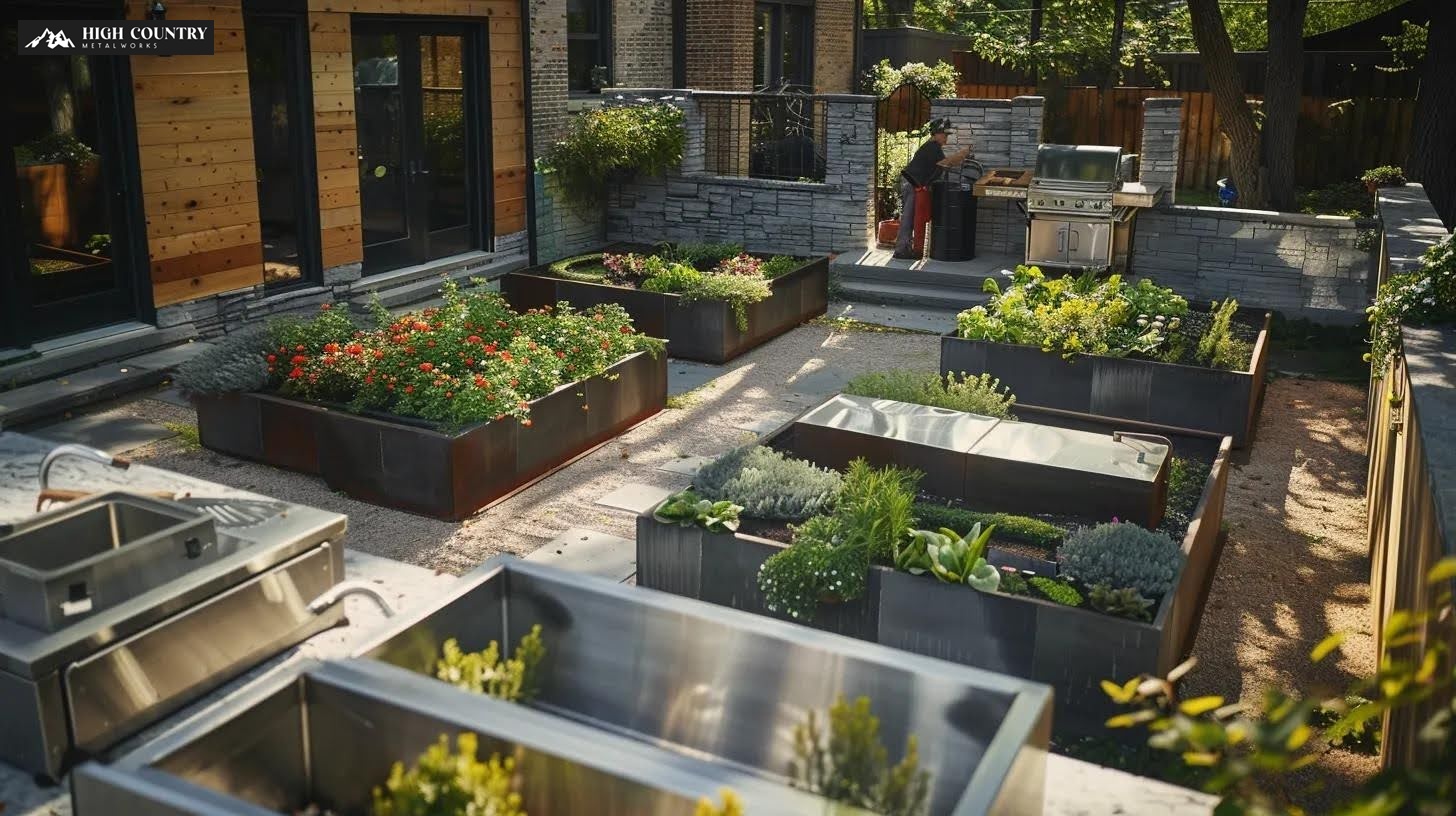
Galvanized steel planter boxes are low-maintenance by design, but a small amount of annual care keeps them performing well for decades.
Inspect annually. Walk the perimeter of each bed once a year, looking for any areas where the zinc coating has worn through and rust has begun to form.
Address rust promptly. If you spot surface rust, remove loose flakes with a wire brush, apply a rust-inhibiting primer, and finish with a zinc-rich touch-up coating. Catching rust early prevents it from spreading.
Test your soil. Every two to three years, run a basic soil test that includes zinc and other heavy metals. This is good practice regardless of bed material and gives you objective data to confirm your growing environment is healthy.
Refresh organic matter. Top-dress with compost each season to maintain soil biology and keep nutrient levels strong. Healthy, biologically active soil moderates the availability of all trace minerals, including zinc.
What Vegetables Grow Best in Galvanized Steel Garden Beds?
Almost any vegetable can thrive in a well-managed galvanized raised bed. However, certain crops particularly benefit from the warmth and drainage these beds provide.
Warm-season vegetables, such as tomatoes, peppers, eggplant, squash, cucumbers, and melons, all perform exceptionally well in the warmer root zone that metal beds create. Mediterranean herbs like basil, oregano, rosemary, thyme, and sage also thrive in the warm, well-drained conditions of galvanized planter boxes.
Root vegetables such as carrots, beets, radishes, and parsnips benefit from the deep, loose, rock-free soil environment that raised beds allow.
Leafy greens grow well, too, particularly when moisture is managed carefully during hot weather. Position leafy green beds where they receive afternoon shade in summer to prevent bolting.
Conclusion
Galvanized steel garden beds are a durable, practical, and safe choice for growing vegetables. The evidence consistently shows that zinc leaching is minimal under normal garden conditions, and straightforward precautions, such as maintaining soil pH, conducting periodic soil tests, and using a liner if desired, reduce any residual concerns to near zero.
Compared to wood, plastic, or masonry, galvanized raised beds offer longevity, reliable performance, and low maintenance that is hard to match. Whether you're growing tomatoes, root vegetables, or culinary herbs, a well-installed galvanized raised garden bed provides a solid foundation season after season.
For a custom planter box solution built to your exact specifications, High Country Metal Works delivers fabrication quality that off-the-shelf products can't match.
Frequently Asked Questions
1. Are galvanized raised beds safe for root crops like carrots and beets?
Yes. Root vegetables grow safely in galvanized raised beds. Maintain a soil pH above 6.0 and use a liner if you want extra peace of mind.
2. How long do galvanized steel garden beds last?
With basic maintenance, 20 to 30 years is realistic. The zinc coating degrades very slowly under typical garden conditions.
3. Do galvanized steel planter boxes need a liner?
No, a liner is optional. Most gardeners use galvanized beds without any issue. A food-safe HDPE liner is a simple precaution for those who prefer it.
4. Can galvanized raised beds overheat plant roots in summer?
In very hot climates, metal beds can raise soil temperatures. Use mulch, maintain consistent irrigation, and position heat-sensitive crops where they receive afternoon shade.
5. How do I confirm zinc levels in my galvanized raised garden bed soil are safe?
Run a periodic soil test that includes zinc. It's inexpensive and gives you objective data. Most gardeners find zinc concentrations well within normal, safe ranges.


