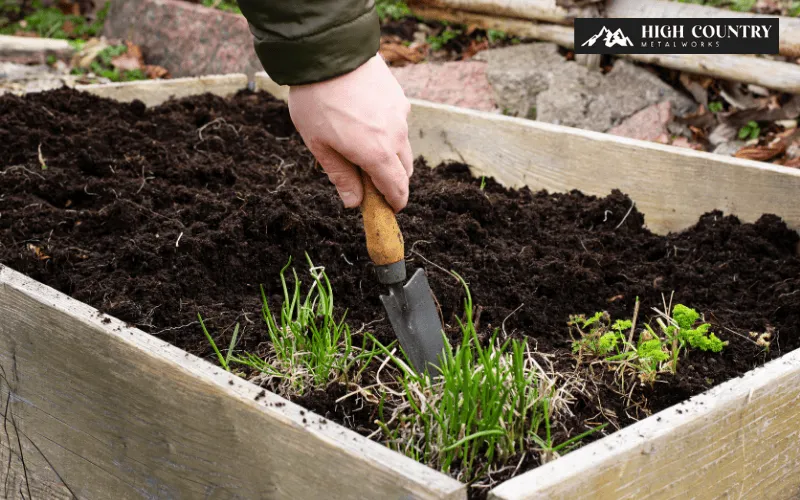
How to Build a Planter Box Perfect for Herbs & Veggies
To build a planter box perfect for herbs and vegetables, select rot-resistant wood or metal, ensure proper drainage, and size it at least 12 inches deep. Assemble a sturdy frame with corrosion-resistant screws, line with landscape fabric, fill with a nutrient-rich soil mix, and position in a sunny location for optimal growth.
Key Takeaways:
Choose durable materials: Use rot-resistant wood like cedar or redwood, or opt for custom metal for longevity.
Size correctly: 12–18 inches deep, 12–24 inches wide, 3–6 feet long to accommodate herbs and vegetables.
Ensure drainage: Add slatted or perforated bottoms with optional liners.
Use quality soil: Mix potting soil, compost, and perlite.
Position and maintain: Place in sunlight, water consistently, and fertilize regularly.
Optional upgrades: Add trellises, self-watering reservoirs, or castor wheels for mobility.
Creating a durable, productive, and visually appealing planter box is one of the most effective ways to grow herbs and vegetables in any outdoor space. Whether you have a sprawling garden, a compact patio, or a small balcony, a well-designed planter box ensures healthy plant growth, optimal drainage, and long-term performance.
Below, we present a comprehensive, step-by-step guide that covers materials, measurements, soil recommendations, design upgrades, and expert-level care tips to help you build the perfect planter box for thriving herbs and vegetables.
Why a Custom Planter Box Enhances Your Herb & Vegetable Garden
A thoughtfully built planter box maximizes growing efficiency by offering:
Improved soil control
Better drainage management
Protection from pests and weeds
Optimized sunlight positioning
Enhanced aesthetics for any outdoor area
By crafting your own instead of purchasing pre-made options, you maintain full control over dimensions, materials, and finishes, ensuring your planter is tailored precisely to your gardening goals.
Choosing the Best Materials for Longevity and Stability

Rot-Resistant Wood for Strength
The most reliable options for building long-lasting planter boxes include:
Cedar – naturally weather- and insect-resistant
Redwood – premium durability and beautiful grain
Douglas fir or pine (when sealed properly)
Avoid treated lumber for edible gardens unless using modern food-safe pressure-treated wood. Natural wood remains the most popular and environmentally friendly choice.
Fasteners That Resist Corrosion
Use galvanized or stainless steel screws, as these will not rust or stain the wood. Outdoor construction requires fasteners built for weather exposure.
Optional Liners for Extended Life
To further protect the interior walls of the planter, consider:
Heavy-duty plastic sheeting
Landscape fabric
Pond liner
This prevents soil moisture from accelerating wood decay while still allowing drainage.
Ideal Dimensions for Herbs & Vegetables
The perfect planter box balances root depth, space efficiency, and ease of use.
Standard Sizing
Length: 3–6 feet
Width: 12–24 inches
Height: 12–18 inches
These dimensions accommodate the root systems of common herbs (basil, thyme, cilantro) and vegetables (lettuce, peppers, tomatoes, carrots).
Depth Requirements
Shallow-rooted herbs: 6–10 inches
Most vegetables: 10–18 inches
Root crops: 12–20 inches
Aim for at least 12 inches of soil depth for maximum flexibility.
Tools & Supplies Checklist
Before starting construction, gather the following:
Wood boards (cedar recommended)
Measuring tape and carpenter’s square
Galvanized screws or exterior wood screws
Drill/driver with bits
Wood glue (optional for added strength)
Saw (hand or power)
Sandpaper
Landscape fabric or liner
Soil and compost mix
Having every tool ready streamlines your building process and ensures precision.
Step-by-Step Guide: Building Your Herb & Vegetable Planter Box

1. Measure and Cut the Boards
Cut the boards according to your chosen dimensions. For a 4x1.5 ft box, you will need:
Two 48-inch side boards
Two 18-inch end boards
Several slats or one solid piece for the bottom
Sand all cut edges to prevent splintering and ensure cleaner joints.
2. Assemble the Frame
Position the boards in a rectangular shape. Pre-drill screw holes to avoid splitting. Secure corners using 2–3 screws per joint. A carpenter’s square ensures perfectly angled corners for sturdiness.
3. Install the Bottom Panel
Attach bottom slats with slight spacing (¼–½ inch) to enable proper drainage. If using a solid bottom, drill several drainage holes spaced evenly.
4. Reinforce the Structure (Optional)
For added durability:
Add corner braces inside the box
Insert center support beams for longer planters
Apply exterior-grade wood sealant
This step is especially valuable for large or elevated designs.
5. Add the Liner
Staple landscape fabric along the interior walls. Ensure the bottom remains breathable so excess water can still escape freely.
6. Position the Planter
Place the box in a spot that receives at least 6–8 hours of sunlight daily. If placing on a deck or balcony, consider adding small feet or risers to prevent moisture accumulation underneath.
Filling the Planter: Best Soil Mix for Herbs and Veggies

To ensure strong, healthy root systems, use a premium soil blend:
40% high-quality potting mix
40% compost
20% perlite or coarse sand
This combination creates a nutrient-rich, well-aerated, moisture-balanced growing medium.
Add Natural Soil Enhancements
Incorporate slow-release organic amendments such as:
Worm castings
Bone meal
Mycorrhizal fungi
These promote vigorous growth and improved nutrient absorption.
Planting Guide for the Ideal Herb & Vegetable Mix
Recommended Herbs
Basil
Parsley
Thyme
Mint (plant in a small pot inside the box to prevent spreading)
Rosemary
Chives
Vegetables That Thrive in Planter Boxes
Lettuce and spinach
Cherry tomatoes
Peppers
Radishes
Carrots
Green onions
Bush beans
Space plants according to their mature width to prevent overcrowding.
Watering, Maintenance & Seasonal Care

Watering Routine
Maintain consistent moisture using:
Daily watering in hot weather
Deep watering every 2–3 days in cooler seasons
Mulch to reduce evaporation
Fertilizing
Feed your planter every 3–4 weeks with a balanced organic fertilizer or compost tea.
Protecting Your Planter Box
To extend the life of the wood:
Apply a food-safe exterior sealant yearly
Elevate the planter to avoid prolonged ground contact
Remove dead leaves and debris to prevent fungal issues
Advanced Planter Box Upgrades
Self-Watering Reservoir
Create a water-efficient design by incorporating:
A bottom reservoir chamber
Wicking fabric or perforated piping
Overflow hole for consistent moisture control
Add a Trellis
Perfect for climbing vegetables such as:
Cucumbers
Peas
Pole beans
Tomatoes
Install Castor Wheels
For easy mobility, especially on patios or balconies, attach heavy-duty wheels rated for outdoor use.
Final Thoughts: Building a High-Performance Planter Box
A well-built planter box transforms your herb and vegetable gardening experience by offering tailored dimensions, superior soil quality, excellent drainage, and aesthetic appeal. With the right materials, care, and planting strategy, your custom planter box will deliver abundant harvests season after season, regardless of the size of your outdoor space.
For gardeners looking for modern, durable, and maintenance-free alternatives, High Country Metal Works in Utah specializes in custom metal planter box installation. Our designs combine strength, aesthetic appeal, and longevity, perfect for urban spaces, patios, and gardens where traditional wood planters may not be ideal. With custom sizing and finishes, they offer a professional solution for any outdoor gardening project.
Frequently Asked Questions (FAQs)
1. Can I use a metal planter box for vegetables?
Yes, metal planter boxes are excellent for vegetables as long as they have proper drainage and are treated to resist rust and heat.
2. How often should I water my planter box?
Watering frequency depends on weather and plant type, but generally, every 2–3 days or when the top inch of soil feels dry is ideal.
3. Can I grow root vegetables in a shallow planter?
Shallow planters are suitable for herbs and leafy greens. Root vegetables like carrots or radishes require at least 12 inches of soil depth.
4. Do I need to line a wood planter box?
Yes, lining with landscape fabric or heavy-duty plastic helps prevent wood rot while allowing proper drainage.
5. What soil mix is best for mixed herb and vegetable planter boxes?
A mix of 40% potting soil, 40% compost, and 20% perlite provides optimal drainage, nutrients, and aeration.


