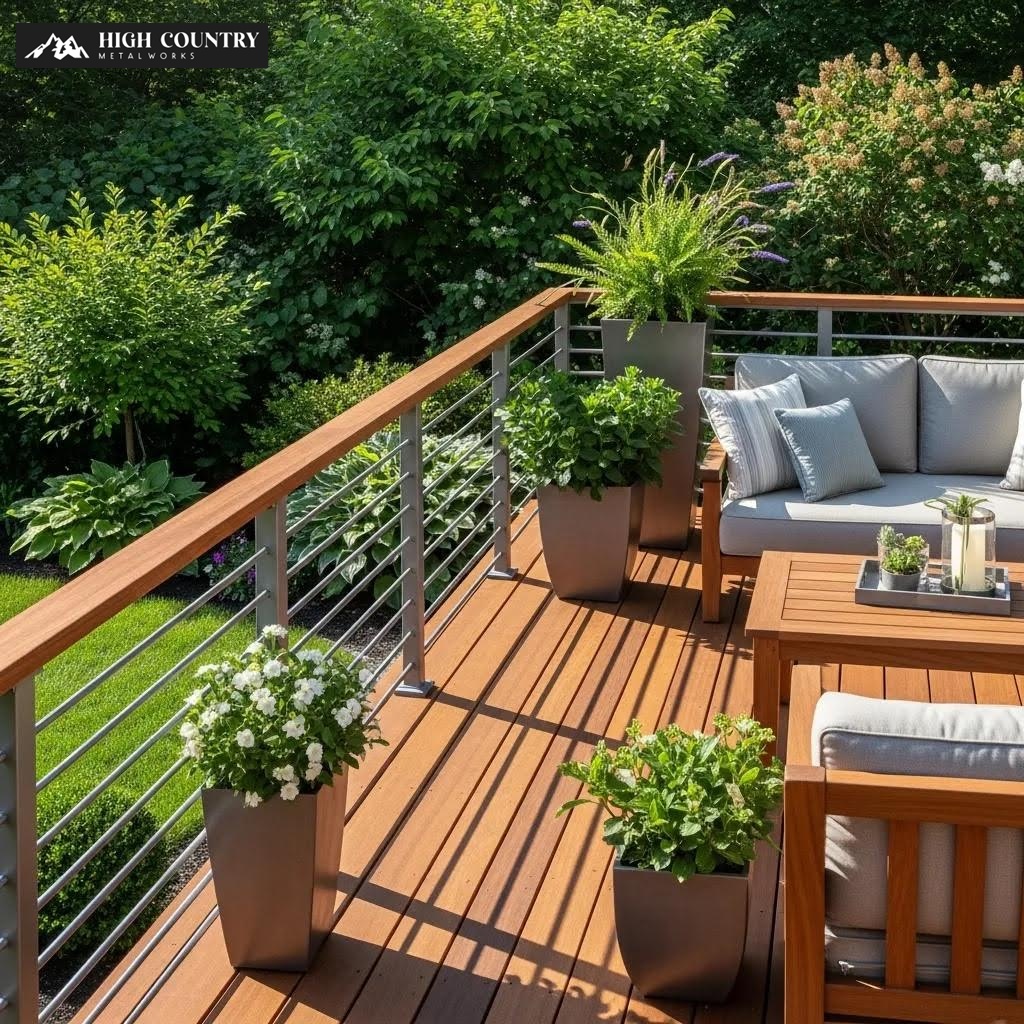
10 Deck Railing Ideas Perfect for Modern and Classic Homes
A well-designed deck railing system defines the safety, structure, and visual appeal of any outdoor living space. Whether you're aiming for sleek contemporary minimalism or timeless traditional charm, the right deck railing ideas can transform a simple deck into an architectural feature that boosts property value and curb appeal. Below, we present 10 expertly vetted deck railing options that combine durability, aesthetics, and long-term performance, perfect for both modern and classic homes.
1. Horizontal Cable Railings for Clean Modern Lines
Cable railing systems create a streamlined, modern appearance while maintaining full visibility of surrounding landscapes. Stainless steel cables stretch horizontally between powder-coated metal or aluminum posts, delivering a crisp, architectural aesthetic that's become increasingly popular in deck design.
Homeowners choose horizontal cable deck railings for:
Unobstructed sightlines and views
Minimal visual bulk and clean lines
Exceptional tensile strength and durability
Low-maintenance outdoor railing solutions
This deck railing style perfectly complements contemporary homes, rooftop deck installations, and scenic backyards where preserving views is paramount.
2. Tempered Glass Panels for Luxury Transparency
Glass deck railing systems provide a premium, sophisticated finish while preserving panoramic views. Clear or lightly tinted tempered safety glass acts as a protective barrier without interrupting your outdoor environment, a hallmark of high-end deck railing design.
Glass panel railings excel in:
Luxury home installations
Coastal properties with ocean views
Urban terraces and balconies
Poolside deck applications
The result is an open, airy, and elegant outdoor living space that feels expansive and refined while meeting building codes and safety standards.
3. Classic Wood Railings for Timeless Warmth
Nothing surpasses the natural charm of traditional wood deck railings. Cedar railings, redwood, and pressure-treated lumber provide warm, inviting aesthetics that blend seamlessly with classic architecture and traditional home styles.
Wood railing ideas work beautifully for:
Farmhouse and rustic homes
Craftsman-style designs
Colonial and Victorian exteriors
Natural outdoor settings
Custom-stained or painted finishes add personality while preserving the authentic beauty of natural wood materials, making this one of the most versatile deck railing ideas for traditional homes.
4. Powder-Coated Aluminum Railings for Strength Without Rust
Aluminum deck railing systems deliver unmatched durability and corrosion resistance. Their lightweight structure, combined with powder-coated finishes, ensures decades of performance with minimal maintenance, ideal for modern deck railing applications.
Property owners select aluminum railing systems for:
Virtually maintenance-free performance
Contemporary styling and design flexibility
Superior weather and moisture resistance
Exceptional long-term value and ROI
This deck railing option balances sleek form and practical function beautifully, particularly in coastal or high-humidity environments.
5. Ornamental Wrought Iron for Elegant Detailing
For homes that celebrate architectural heritage and craftsmanship, wrought iron deck railings provide intricate detailing and stately appeal. Decorative scrollwork, curved elements, and custom metalwork create a distinctive presence that elevates any outdoor space.
Ornamental iron railing ideas suit:
Historic homes and restorations
Luxury estates and upscale properties
Mediterranean and Spanish Colonial designs
Grand entry decks and front porches
The result is a bold, timeless statement that adds character and sophistication to classic home exteriors.
6. Composite Railings for Maintenance-Free Beauty
Composite deck railing systems mimic natural wood while eliminating sanding, staining, or sealing requirements. Engineered from recycled materials and advanced polymers, composite railings resist moisture intrusion, insect damage, and UV fading.
These low-maintenance deck railings provide:
Consistent color retention over time
All-weather durability and performance
Eco-friendly, sustainable construction
Virtually zero upkeep requirements
This railing solution is perfect for busy families seeking long-lasting beauty without ongoing maintenance commitments.
7. Mixed-Material Railings for Designer Contrast
Blending complementary materials allows for custom architectural combinations that stand out. Wood posts with cable infill, metal frames with tempered glass panels, or composite top rails with metal balusters create striking visual interest and design contrast.
Mixed-material deck railing ideas offer:
Unique character and curb appeal
Modern sophistication with traditional touches
Fully customized, tailored designs
Premium, high-end finishes
This innovative approach works exceptionally well in transitional homes that successfully merge classic and contemporary design elements.
8. Privacy Panel Railings for Secluded Comfort
When privacy is essential, solid or semi-solid railing panel systems create secluded environments while maintaining aesthetic appeal. Horizontal slatted wood, frosted tempered glass, or composite privacy boards effectively block unwanted sightlines and reduce wind exposure.
Privacy-focused deck railing designs help:
Define intimate outdoor rooms and zones
Increase comfort and usability
Reduce ambient noise from neighbors
Enhance relaxation in outdoor spaces
These deck railing ideas transform open decks into peaceful private retreats, perfect for entertaining or unwinding.
9. Vertical Metal Balusters for Classic Simplicity
Vertical baluster railing systems remain among the most versatile and widely-used deck railing ideas. Slim metal pickets or spindles provide traditional symmetry and clean lines while complementing both modern and classic architectural styles.
Metal baluster benefits include:
Clean, structured appearance
Superior durability and strength
Cost-effective, affordable installation
Wide compatibility with various design themes
This timeless deck railing option balances visual style and practical functionality effortlessly across different home types.
10. Custom Built-In Lighting Railings for Nighttime Ambiance
Integrating LED lighting within deck railing systems elevates both safety and atmospheric ambiance. Illuminated post caps, under-rail LED strips, or recessed lighting fixtures create soft, inviting glows that highlight architectural lines and improve visibility.
Homeowners incorporate railing lighting to:
Dramatically improve nighttime safety and visibility
Enhance secure navigation on stairs and walkways
Elevate outdoor entertainment spaces
Add luxury appeal and modern amenities
This finishing touch transforms ordinary decks into stunning evening environments that extend outdoor living hours year-round.
How to Choose the Right Deck Railing for Your Home

Selecting the perfect deck railing system requires careful consideration of several key factors that impact both aesthetics and functionality.
Match Your Home's Architectural Style - Contemporary homes benefit from cable railings, glass panels, or sleek aluminum systems, while traditional architecture pairs beautifully with wood, wrought iron, or vertical baluster designs. Transitional styles offer flexibility to mix materials creatively.
Consider Your Climate and Environment - Coastal regions demand corrosion-resistant materials like aluminum or stainless steel cable. Areas with extreme temperature fluctuations benefit from composite or powder-coated metal options that resist warping and cracking. Wood railings require more maintenance in humid climates.
Evaluate Your View Priorities - If preserving scenic views is essential, opt for transparent solutions like glass panels or horizontal cable systems that minimize visual obstruction. Privacy-focused designs work better for urban settings or properties with close neighbors.
Budget for Initial Costs and Long-Term Maintenance - While wood and basic metal balusters offer lower upfront costs, composite and aluminum systems provide better long-term value through reduced maintenance expenses. Factor in staining, sealing, and refinishing requirements over a 10-15 year period.
Ensure Building Code Compliance - Local building codes dictate railing height requirements (typically 36-42 inches), baluster spacing (usually maximum 4 inches apart), and load-bearing specifications. Professional installers ensure compliance with all safety regulations and permitting requirements.
Deck Railing Maintenance Tips by Material Type
Proper maintenance significantly extends the lifespan and appearance of your deck railing system.
Wood Railing Maintenance - Inspect annually for rot, insect damage, and loose connections. Clean with mild soap and water, then apply quality wood stain or sealant every 2-3 years. Sand rough spots and replace damaged boards promptly to prevent structural issues.
Metal Railing Care - Aluminum and powder-coated steel require minimal upkeep, simply wash with soapy water twice yearly. Check wrought iron for rust spots and touch up with rust-inhibiting paint as needed. Stainless steel cable systems need periodic tensioning to maintain proper spacing and safety.
Glass Panel Maintenance - Clean tempered glass panels with standard glass cleaner or vinegar solution quarterly. Inspect gaskets and mounting hardware for wear, replacing deteriorated components to maintain weathertight seals and structural integrity.
Composite Railing Upkeep - While marketed as maintenance-free, composite materials benefit from annual cleaning with specialized composite deck cleaners to prevent mildew and staining. Avoid pressure washing at close range, which can damage the surface texture.
Cable Railing Tension Checks - Cable railing systems require tension verification every 6-12 months, especially after seasonal temperature changes. Most systems include adjustable fittings that allow DIY tensioning, though professional inspection ensures optimal safety and compliance.
Installation Considerations and Professional Services

Professional deck railing installation ensures structural integrity, code compliance, and warranty protection that DIY projects often lack.
Why Professional Installation Matters - Experienced contractors understand load calculations, proper post spacing, code requirements, and material-specific installation techniques. Professional installation typically includes permits, inspections, and warranties covering both materials and workmanship.
Timeline Expectations - Standard deck railing installation for an average-sized deck (200-400 square feet) typically takes 2-4 days, depending on material complexity. Custom metalwork, glass panel systems, and integrated lighting may extend timelines to 1-2 weeks, including fabrication.
Permit Requirements - Most jurisdictions require building permits for new deck railing installations or replacements that affect structural elements. Professional installers handle permitting processes and coordinate required inspections, ensuring compliance with local codes and avoiding potential fines or removal orders.
Custom Fabrication Benefits - At High Country Metal Works, we specialize in custom metal fabrication that allows complete design freedom beyond standard pre-manufactured railing kits. Custom work ensures a perfect fit, unique styling, and integration with existing architectural features for truly personalized outdoor spaces.
Warranty and Quality Assurance - Professional installation comes with workmanship warranties (typically 1-5 years) beyond manufacturer material warranties. This protection covers installation defects, improper mounting, and structural failures resulting from poor craftsmanship—coverage unavailable with DIY installations.
Final Thoughts on Choosing Deck Railing Ideas
By selecting the right deck railing system for your home, you shape the overall personality and functionality of your outdoor living space. From modern cable and glass railing designs to classic wood and ornamental wrought iron styles, each option provides distinct advantages in durability, code compliance, safety performance, and visual impact.
At High Country Metal Works, we specialize in custom deck railing fabrication and professional installation services. Our expertise in metal railings, including cable systems, aluminum, steel, and mixed-material designs, ensures your deck railing ideas become a reality with precision craftsmanship and lasting quality.
Thoughtful material selection, proper installation techniques, and attention to local building codes ensure every railing system enhances both modern and classic homes with enduring elegance and reliable performance for years to come.
Frequently Asked Questions About Deck Railing Ideas
1. What is the most durable deck railing material?
Aluminum and stainless steel cable systems offer the best durability with exceptional corrosion resistance and minimal maintenance. Powder-coated aluminum railings can last 30+ years without rust or deterioration, making them ideal for coastal and high-moisture environments.
2. How high should deck railings be according to building codes?
Most building codes require deck railings to be 36 inches high for decks less than 30 inches off the ground, and 42 inches for higher decks. Always verify local code requirements, as regulations vary by jurisdiction and specific deck applications.
3. Can I install deck railings myself, or should I hire a professional?
While DIY installation is possible for simple systems, professional installation ensures code compliance, proper load distribution, and warranty protection. Complex systems like glass panels, cable railings, and custom metalwork require specialized tools and expertise best handled by experienced contractors.
4. What's the best low-maintenance deck railing option?
Composite and powder-coated aluminum railings require the least maintenance, needing only occasional cleaning with soap and water. Cable railing systems also rank highly for low upkeep, requiring only periodic tension checks and minimal cleaning to maintain appearance and safety.
5. How much does it typically cost to install deck railings?
Deck railing costs range from $15-30 per linear foot for basic wood or metal balusters, $30-60 for composite or aluminum systems, and $60-120+ for premium glass panels or custom wrought iron. Total project costs depend on linear footage, material choice, customization, and installation complexity.


