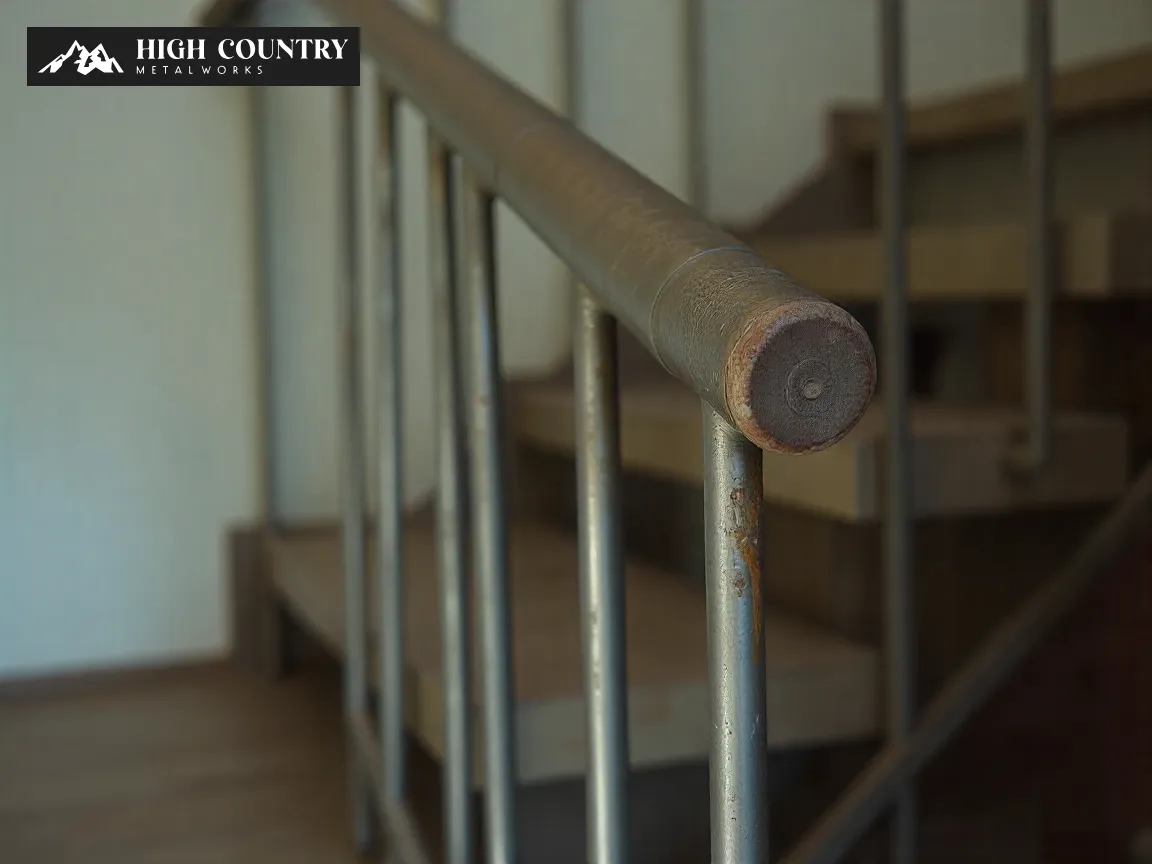
7 Clear Signs You Need Stair Railing Repair & How to Handle It
A robust stair railing is the most vital safety feature on any staircase, preventing dangerous falls in homes and businesses. When a railing becomes loose, cracks, or deteriorates, it turns into a serious hazard.
This guide details the unmistakable damaged stair railings signs that your stair railing needs immediate repair, explains the root causes, and provides an actionable plan to ensure your railing is secure and meets building code standards.
Why a Strong Railing is Non-Negotiable
A railing provides balance, stability, and crucial confidence for everyone, especially the young, the elderly, and those with mobility issues. Ignoring railing problems gambles with safety and increases your legal exposure.
Building Code Compliance & Liability
Local and international building codes mandate specific requirements for railings, including:
Height: Typically 34 to 38 inches from the stair nosing.
Load Bearing: Must withstand a minimum specific force (often $200\text{ lbs}$) to prevent failure upon impact.
Baluster Spacing: Gaps between vertical posts (balusters) must be small enough (the 4-inch sphere rule) to protect children.
A non-compliant or structurally unsound railing is a liability risk and can complicate property sales or renovations.
7 Urgent Signs Your Stair Railing Needs Repair
Recognize these clear red flags to act before a minor issue becomes a major accident.

1. Loose or Wobbly Railings
The most common and critical warning sign. A structurally sound railing should never move. Any detectable wobble signals a failure in the hardware or the anchor points. Knowing how to repair a stair railing that is loose often starts here.
Causes: Stripped screws, loose bolts, weak brackets, or deterioration of the underlying wall/floor structure the railing is anchored to.
2. Visible Cracks, Splits, or Fractures
These structural wounds compromise integrity:
Wood Railings: Look for deep splits, splinters, or stress cracks, particularly near joints. Proper stair handrail repair is crucial when wood is compromised.
Metal Railings: Inspect for metal stress fractures at welded spots or connection points, often caused by fatigue or heavy impact.
3. Rust, Corrosion, or Wood Rot
Moisture damage is the primary enemy, especially for exterior railings.
Metal Damage: Rust (oxidation) and corrosion reduce the metal’s strength and structural capacity.
Wood Deterioration: Wood rot manifests as soft spots (spongy when pressed), dark discoloration, visible mold/mildew, or a musty odor.
4. Missing or Falling-Out Hardware
Finding screws, bolts, or brackets on the floor near the staircase is a major emergency. Missing hardware means the remaining connections are under extreme, undue stress and are likely to fail.
5. Unusual Noises During Use
Creaking, popping, grinding, or squeaking when you use the railing indicates the connections are separating, rubbing, or under stress due to looseness.
6. The Railing Shifts When Leaned On
If the entire railing assembly visibly moves sideways or downward when moderate pressure is applied, the newel post (the main vertical post) anchors are failing. This requires urgent re-securing to the underlying structural framing. Learning how to repair a stair railing that shifts is a professional job.
7. Deteriorated or Loose Balusters
Loose, missing, or broken balusters (vertical posts) weaken the system and create gaps that violate the 4-inch safety code, posing a fall risk for children.
Risks of Delaying Railing Repairs
Ignoring a minor railing issue can lead to devastating consequences.

Increased Risk of Traumatic Injury
A failing railing removes the last line of defense against a fall, potentially causing severe injuries like broken bones, spinal damage, or concussions.
Escalating Repair Costs
A loose screw (a minor fix) can rapidly cause stress on adjacent structural members, turning into extensive structural damage (e.g., rotten wood requiring replacement of an entire newel post and adjacent flooring). Early intervention is always cheaper.
Legal and Insurance Complications
If an injury occurs due to a known, neglected railing defect, the homeowner may face legal liability and potential denial of insurance coverage for the accident.
Action Plan: DIY vs. Professional Intervention
When You Can DIY (Minor Fixes)
Limit DIY to small repairs where the main structural components (newel posts and handrail) are solid:
Tightening Visible Hardware: Use the correct tool to firmly tighten accessible screws and bolts. This is a common first step to fix loose stair railing.
Cosmetic Treatments: Sanding, priming, and repainting/resealing the surface to protect against moisture.
When to Call a Professional Railing Specialist
Always call a licensed and insured contractor for any structural issue:
Structural Wobble: Major movement in the newel post requiring anchoring to floor joists or wall studs. A professional will know the best way to fix loose stair railing permanently.
Wood Rot/Severe Corrosion: Requires cutting out and replacing sections of material (carpentry or welding).
Code Non-Compliance: If the railing height, spacing, or strength is insufficient.
A professional will use specialized fasteners and structural knowledge to ensure the railing meets load-bearing safety requirements.
Cost Estimate Overview
Costs vary by material and damage extent. Always get multiple, detailed quotes.
Minor Hardware Adjustment: $150 – $350
Mid-Range (Rot Repair/Bracket Replacement): $400 – $850
Extensive Structural Repairs (Post Re-anchoring): $900+
Preventive Maintenance for Railing Longevity

Routine care significantly extends the lifespan of your staircase and railing.
Regular Inspection Checklist
Inspect all railings at least twice a year.
Grip and Shake: Test for movement at the top, middle, and bottom sections.
Visual Check: Look for rust, cracks, separating joints, or soft/dark spots on the material.
Hardware Check: Confirm all screws, bolts, and brackets are seated firmly.
Maintenance Tips
Wood: Apply a fresh protective sealant, stain, or exterior-grade paint yearly to prevent moisture ingress. Regular application is key to preventing major stair handrail repair needs.
Metal: Promptly wire-brush away surface rust, prime with a rust-inhibitor, and repaint.
Hardware: Use corrosion-resistant (stainless or galvanized) fasteners for long-term security, especially in humid or outdoor settings.
Conclusion
A secure stair railing is a safety investment, not a luxury. Immediately addressing wobbling, cracking, or deterioration is essential. Handle minor fixes yourself, but rely on qualified professionals for any structural concerns. With proper, timely maintenance, your railing will remain strong, safe, and reliable for many years.
Frequently Asked Questions (FAQs)
1. How often should I inspect my stair railing for problems?
You should perform a quick visual and shake test every 3–6 months, with a deeper inspection annually, especially for exterior railings or those in high-humidity areas. This helps catch damaged stair railings signs early.
2. Can a loose baluster compromise the entire railing structure?
While one loose baluster may not cause the entire system to fail instantly, it compromises the safety code (the 4-inch rule) and is a strong indicator that the hardware or joint adhesives throughout the entire railing assembly may be deteriorating or failing.
3. What causes wood railings to rot so quickly?
Wood rot is primarily caused by prolonged moisture exposure due to failed or old protective sealants/paint, or poor drainage around the base of exterior posts. Rot occurs when water wicks into the wood, encouraging fungal growth.
4. When is a full railing replacement necessary instead of a repair?
Replacement is recommended when the structural damage is too extensive (e.g., rot affects a majority of the newel posts), the cost of repair exceeds the cost of replacement, or the existing railing design cannot be safely modified to meet current mandatory building codes (such as being too low or having balusters spaced too wide).
5. How much weight should a stair railing be able to support?
Most residential building codes require a stair railing to withstand a minimum concentrated load of 200lbs applied horizontally or vertically at any point along the handrail. This is why testing for wobble and structural integrity is critical.


