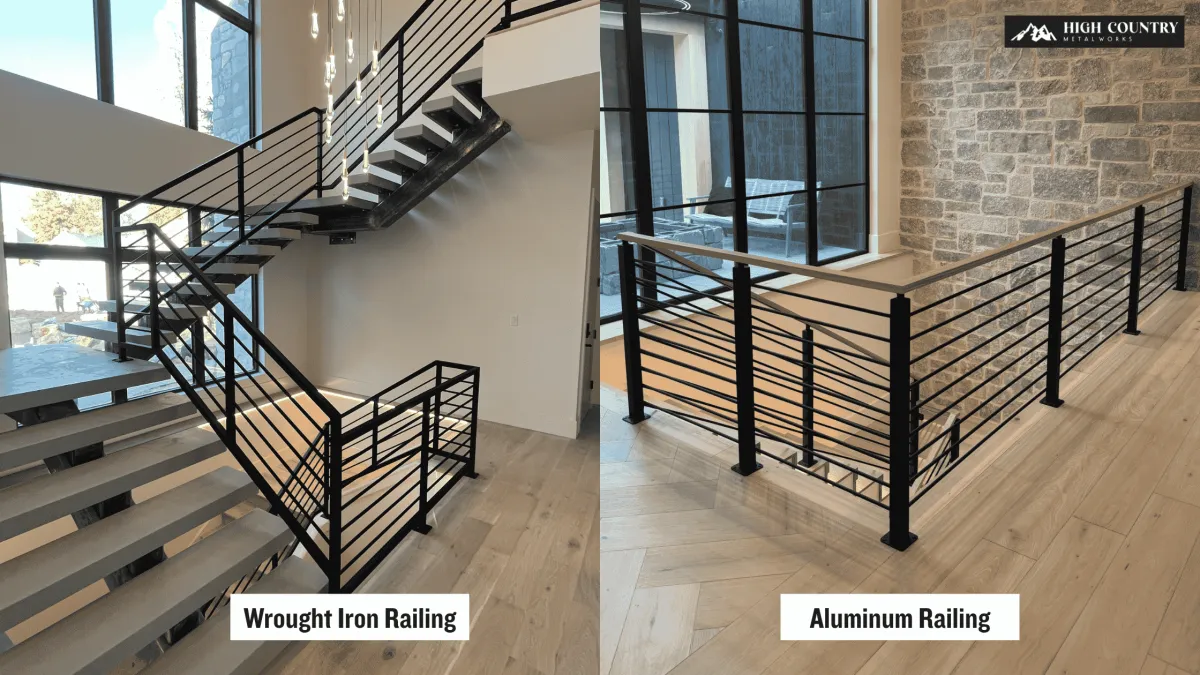
Wrought Iron vs Aluminum Railings: Which Wins for Homes?
Choosing the right railing material is one of those home decisions that looks simple on the surface until you start researching. Wrought iron and aluminum are two of the most popular choices for staircases, decks, balconies, and entryways, and both bring real strengths to the table. So when it comes to wrought iron vs aluminum railings, which one actually wins?
The honest answer: it depends on your priorities. But this guide will give you everything you need to make a confident, informed decision, covering cost, durability, maintenance, aesthetics, and long-term value.
What Is Wrought Iron, and Aluminum?
Before diving into the comparison, it helps to understand what each material actually is.
Wrought iron is iron that has been heated and worked (hammered or rolled) by a skilled craftsman. Today, genuine wrought iron is rarely produced commercially; most "wrought iron" railings are made from mild steel formed in the traditional wrought iron style. The term now broadly refers to the look and technique rather than the exact metallurgical composition.
Aluminum is a lightweight, naturally corrosion-resistant metal that's been used in architectural applications for decades. Modern aluminum railings are typically formed through extrusion or casting, and then finished with powder coating for color and weather protection.
Both materials can produce beautiful, long-lasting railings, but they behave very differently in the real world.
Wrought Iron vs Aluminum Railings: A Head-to-Head Comparison
Cost: Which Is More Affordable?
When homeowners compare aluminum vs wrought iron railings, aluminum almost always comes out ahead on the initial price tag.
Aluminum railings typically cost between $40 and $70 per linear foot for materials, with installation labor averaging $10–$30 per linear foot.
Wrought iron railings generally range from $65 to $200+ per linear foot for materials, with installation labor running $15–$35 per linear foot due to the need for specialized welding and structural reinforcement.
That price gap widens further when you factor in long-term maintenance. Aluminum's powder-coated finish resists rust and weathering with minimal upkeep, while wrought iron requires periodic sanding, priming, and repainting, which add up significantly over a 10- or 20-year period.
For budget-conscious homeowners, aluminum delivers a better overall value. But for those investing in a luxury property or seeking one-of-a-kind custom ironwork, the premium cost of wrought iron may be well worth it.
Durability: Which Lasts Longer?
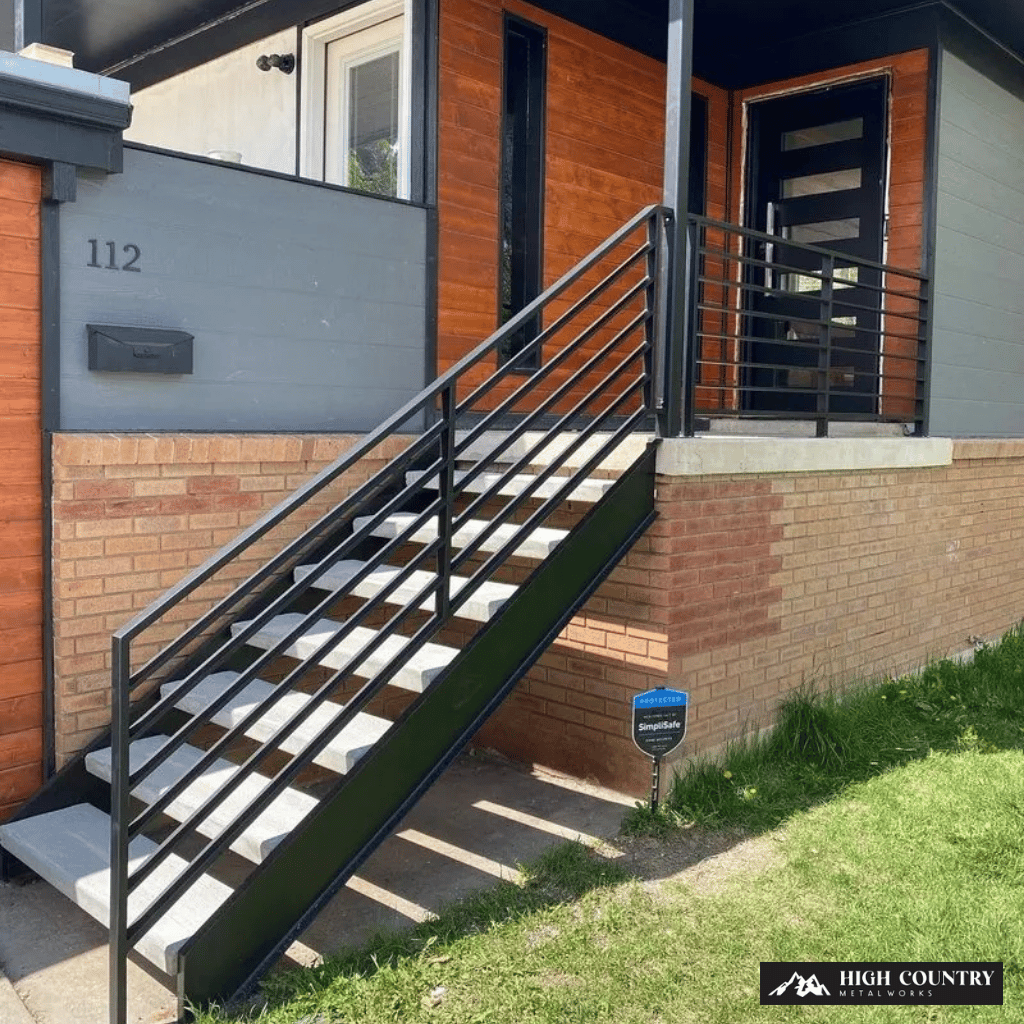
Durability is where the comparison gets nuanced. Both materials are genuinely durable; they just have different weaknesses.
Wrought Iron Durability
Wrought iron is exceptionally strong. It resists impact, handles heavy loads, and is notoriously difficult to bend or cut through. With proper care, wrought iron railings can last 50 years or more, making them a generational investment.
The critical caveat: wrought iron is susceptible to rust. Exposure to moisture, especially in humid or coastal climates, causes oxidation that can compromise both appearance and structural integrity. Without regular maintenance (more on that below), your investment can deteriorate faster than expected.
Aluminum Durability
Aluminum is lighter than iron but holds up remarkably well in real-world conditions. It's naturally resistant to rust and corrosion, which makes it an excellent choice for wet climates, coastal properties, and outdoor installations. A well-made aluminum railing system typically lasts 20 to 30 years with minimal maintenance.
The trade-off: aluminum can dent or scratch more easily than wrought iron, and in extreme temperature swings, it may expand and contract slightly, a factor worth considering in very hot or very cold climates.
Verdict: Wrought iron wins on raw strength and maximum lifespan. Aluminum wins on weather resistance and real-world longevity without intensive upkeep.
Maintenance: How Much Work Is Each Material?
Maintenance requirements represent one of the most significant practical differences in the wrought iron vs aluminum railing pros and cons debate.
Wrought Iron Maintenance
Wrought iron demands regular attention. At a minimum, you should:
Inspect the railing twice a year for rust spots, paint chips, or surface damage
Remove rust early using steel wool or a wire brush
Sand, prime, and repaint any compromised areas
Apply a protective sealant or coating every few years
In humid or coastal environments, this maintenance schedule may need to be more frequent. Neglect it, and rust can spread quickly, leading to costly repairs or full replacement.
Aluminum Maintenance
Aluminum is the clear winner here. Its powder-coated finish is designed to resist corrosion, fading, and chipping. The maintenance routine is simple:
Occasional washing with soap and water
Inspection for physical damage (dents, scratches)
No repainting required under normal conditions
For homeowners who want a beautiful railing without ongoing upkeep demands, aluminum is the obvious choice.
Aesthetics: Which Looks Better?
This is where personal taste takes center stage, and where the wrought iron railings vs aluminum railings debate gets most subjective.
The Look of Wrought Iron
Wrought iron carries a timeless, handcrafted elegance that's hard to replicate. Skilled metalworkers can forge intricate scrollwork, floral motifs, ornate balusters, and custom designs that become genuine focal points of a home's architecture. Whether you're enhancing a historic Victorian property, a classic colonial, or a high-end estate, wrought iron brings an artisanal quality that simply can't be mass-produced.
Wrought iron is traditionally finished in black, though custom colors are available with proper sealing.
The Look of Aluminum
Modern aluminum railings have come a long way. High-quality powder coating means aluminum can be finished in virtually any color; black, white, bronze, gray, or custom hues and textured finishes can even mimic the look of wrought iron at a fraction of the cost.
Aluminum tends to suit contemporary, minimalist, and transitional architectural styles particularly well. It can also be combined with glass panels for sleek deck or balcony installations that maximize views.
Verdict: For traditional, ornate, or artisan aesthetics, wrought iron is unmatched. For modern, flexible design with broad color options, aluminum excels.
Installation: Which Is Easier to Install?
Aluminum wins this round decisively. Its lightweight nature, roughly 60–70% lighter than wrought iron, makes it significantly easier to handle, transport, and install. Many aluminum railing systems are modular and can be installed with standard fasteners, reducing both labor time and cost.
Wrought iron installation requires more specialized skills. Sections are heavy, cutting and welding demand precision, and structural reinforcement may be needed to support the additional weight. This translates to longer project timelines and higher labor costs.
Environmental Considerations
Both materials have environmental merits. Aluminum is highly recyclable, much of the aluminum used in railings today contains recycled content, and its long, low-maintenance lifespan reduces replacement waste.
Wrought iron (or its modern equivalent, mild steel) is also recyclable, though the energy-intensive forging and finishing process carries a higher initial carbon footprint than extruded aluminum.
Wrought Iron vs Aluminum Railing Pros and Cons: Quick Reference
Wrought Iron Railings
Pros:
Exceptional strength and structural integrity
Timeless, artisanal aesthetic with intricate customization
Potential lifespan of 50+ years with proper care
Adds premium curb appeal and home value
Excellent security for gates and perimeter railings
Cons:
Higher upfront material and installation costs
Requires regular maintenance to prevent rust
Heavier and more difficult to install
More expensive to repair or modify
Less suited to very humid or coastal climates without rigorous upkeep
Aluminum Railings
Pros:
More affordable materials and installation
Naturally rust and corrosion resistant
Extremely low maintenance
Lightweight and easy to install
Wide range of colors and finishes via powder coating
Ideal for coastal, humid, and wet climates
Cons:
Less raw strength than wrought iron
Can dent or scratch more easily
May feel less premium than handcrafted iron
Susceptible to thermal expansion in extreme climates
Residential-grade options may be less sturdy under heavy force
Which Railing Is Right for Your Home?
The best material depends on what matters most to you:
Choose wrought iron if:
You prioritize unmatched strength and a high-security barrier
You want a truly custom, artisan aesthetic for a historic or luxury property
You're willing to invest in regular maintenance to preserve your railing
You're making a long-term investment in a premium home feature
Choose aluminum if:
You want a durable, low-maintenance railing that holds up in all weather
You're working within a tighter budget without sacrificing quality
Your home has a modern, contemporary, or transitional design aesthetic
You live in a humid, coastal, or high-rainfall environment
You want fast, cost-efficient installation
Both materials can produce stunning results; the key is matching your choice to your home's style, your climate, and your lifestyle.
At High Country Metal Works, our experienced craftsmen work with both wrought iron and aluminum to deliver custom railings built to last. Whether you're drawn to the timeless weight of forged iron or the practical elegance of precision aluminum, we bring the same level of craftsmanship and care to every project.
Frequently Asked Questions
1. Is wrought iron stronger than aluminum for railings?
Yes, wrought iron is significantly stronger than aluminum and is much harder to bend, cut, or damage under force. However, aluminum's corrosion resistance often gives it a practical durability advantage in outdoor and coastal environments where iron is prone to rust.
2. How much more does wrought iron cost compared to aluminum railings?
Wrought iron railings typically cost $65–$200+ per linear foot installed, while aluminum railings generally run $50–$100 per linear foot installed. Over time, aluminum's lower maintenance costs can make the total cost of ownership considerably lower than wrought iron.
3. Do aluminum railings look as good as wrought iron?
Modern aluminum railings with powder-coated finishes can closely mimic the look of wrought iron and come in a wide range of colors and styles. That said, custom-forged wrought iron has a handcrafted, artisanal quality that's difficult to replicate with extruded aluminum.
4. Which railing material is better for coastal or humid climates?
Aluminum is the superior choice for coastal and humid environments because it naturally resists rust and corrosion without any special treatment. Wrought iron in these climates requires very diligent maintenance to prevent oxidation and surface deterioration.
5. Can aluminum railings be customized like wrought iron?
Aluminum offers broad customization through powder coating colors, modular designs, and add-ons like glass panels or LED lighting. However, wrought iron's hand-forged nature allows for truly unique, intricate scrollwork and decorative elements that aluminum systems typically cannot match in detail or craftsmanship.


