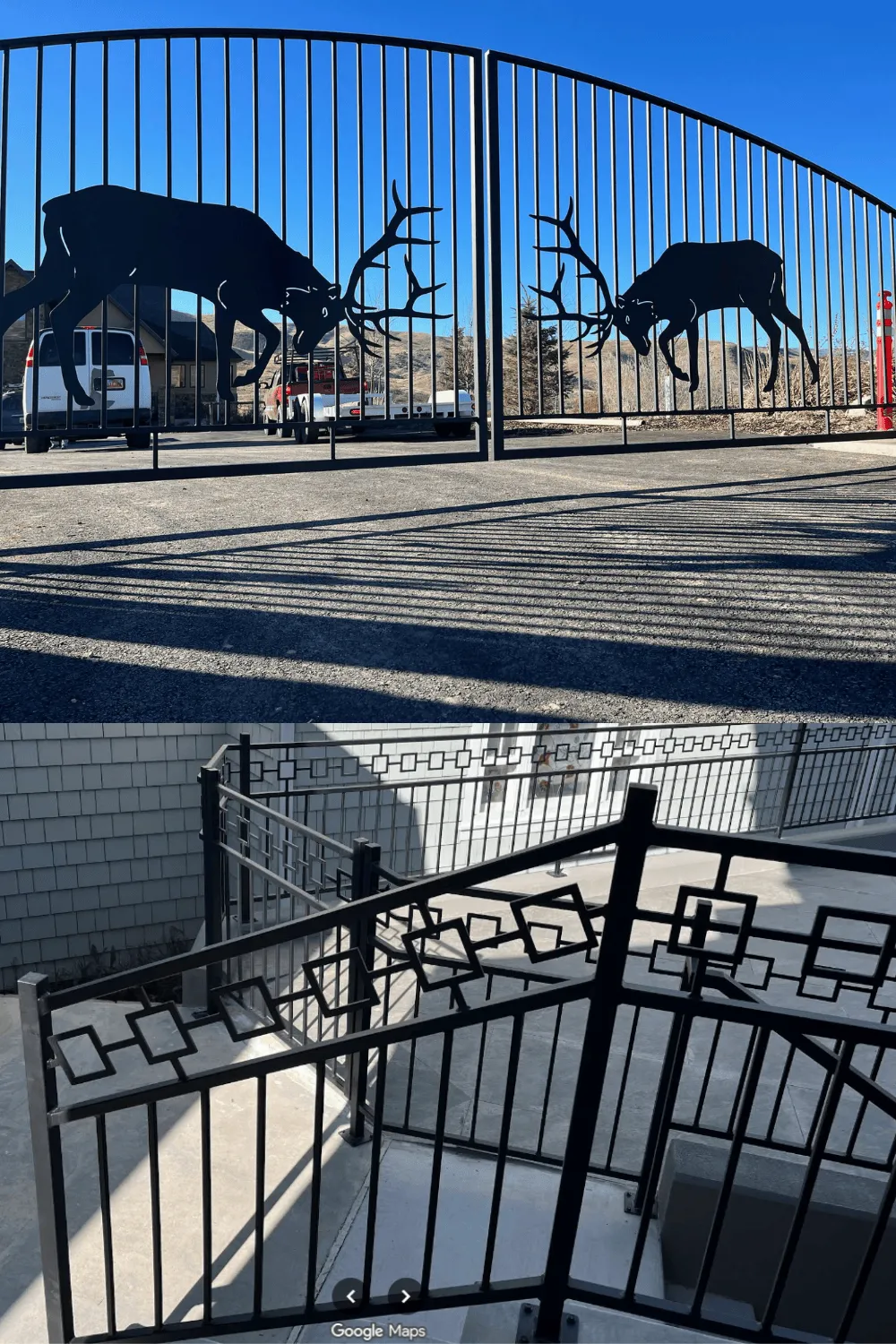
Types of Metal Fencing and Installation Tips for Stronger Fences
The main types of metal fencing are wrought iron, steel, and aluminum. Wrought iron offers classic strength and decorative appeal; steel provides maximum security and impact resistance; aluminum is lightweight, rust-resistant, and low-maintenance. Choice depends on your security needs, budget, and local climate conditions.
Key Takeaways:
Wrought iron – Best for decorative security; strong and customizable, but needs rust prevention
Steel – Strongest option; ideal for high-security commercial and residential properties
Aluminum – Most low-maintenance, naturally rust-resistant, and best for lighter-duty use
Installation – Always set posts in concrete footings and use corrosion-resistant fasteners
Maintenance – Inspect twice yearly, clean annually, recoat every 3–5 years
Utah climate – Choose UV-stable coatings and check post stability each spring after freeze-thaw cycles
Custom metalwork – Delivers better fit, finish, and longevity than off-the-shelf panels
Whether you're securing a residential yard or protecting a commercial property, understanding the types of metal fencing available is the first step toward making a smart, long-lasting investment. Metal fences offer a powerful combination of security, durability, and curb appeal, but not all metal fencing options are created equal.
This guide covers the most common metal fence types, proven installation techniques, and maintenance practices to help you get the most out of your fence for decades to come.
What Are the Main Types of Metal Fencing?
When comparing metal fencing options, three materials dominate the market: wrought iron, steel, and aluminum. Each has distinct strengths depending on your property's needs, local climate, and budget.
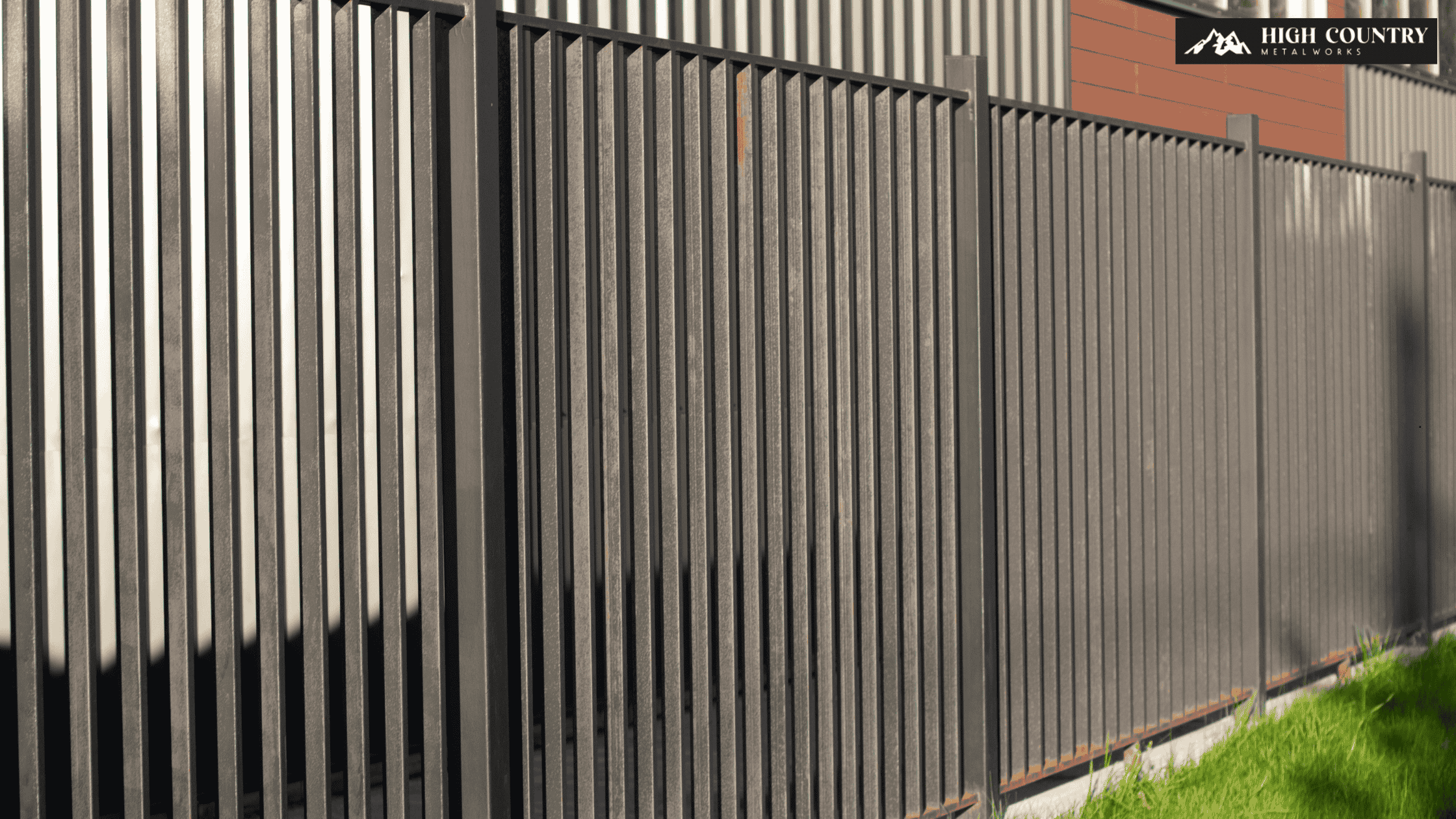
Wrought Iron Fencing
Wrought iron is one of the oldest and most respected metal fence types. Known for its classic, ornamental appearance, wrought iron fencing is extremely strong and can be forged into intricate designs that complement traditional architecture. It is a top choice for homeowners who want both security and visual elegance.
Exceptional strength and rigidity
Highly customizable with decorative details
Requires periodic rust treatment and repainting
Best for high-visibility residential and historic properties
Steel Fencing
Steel fencing is the go-to metal fencing option when maximum security is the priority. It offers superior impact resistance and structural integrity, making it ideal for commercial properties, industrial sites, and high-security perimeters. Galvanized or powder-coated steel resists corrosion effectively, extending the fence's service life even in harsh climates.
Highest strength-to-cost ratio of any metal fence type
Excellent for high-security commercial and industrial uses
Must be galvanized or coated to prevent rust
Available in tubular, chain-link, and panel configurations
Aluminum Fencing
Aluminum is the most maintenance-friendly of the common metal fence types. It is naturally rust-resistant, lightweight, and easy to install. While it does not match steel's strength, aluminum fencing is an excellent choice for decorative residential borders, pool enclosures, and properties in humid or coastal environments where corrosion is a constant concern.
Naturally corrosion-resistant, no rust treatment needed
Lightweight and easy to handle during installation
Lower maintenance costs over time
Best suited for lighter-duty residential and decorative applications
Quick Comparison: Wrought iron wins on appearance and longevity; steel leads in security and load-bearing strength; aluminum offers the best low-maintenance, rust-free performance for everyday residential use.
Benefits of Custom Metal Fence Designs
Off-the-shelf panels have their place, but custom metal fencing delivers clear advantages for both residential and commercial properties. Custom fabrication allows you to specify exact dimensions, decorative elements, and protective finishes, resulting in a fence that fits your property perfectly and reflects your aesthetic vision.
Tailored dimensions to fit irregular lots or architectural styles
Choice of finishes: powder coat, galvanizing, paint for long-term protection
Integrated decorative elements such as scrollwork, finials, and metal art panels
Higher-quality fabrication methods that outlast mass-produced alternatives
Metal Fencing Installation: Best Practices for a Stronger, Longer-Lasting Fence
Even the best metal fencing materials will underperform if installation is rushed or done incorrectly. Proper metal fencing installation requires careful planning, quality materials, and attention to structural detail.
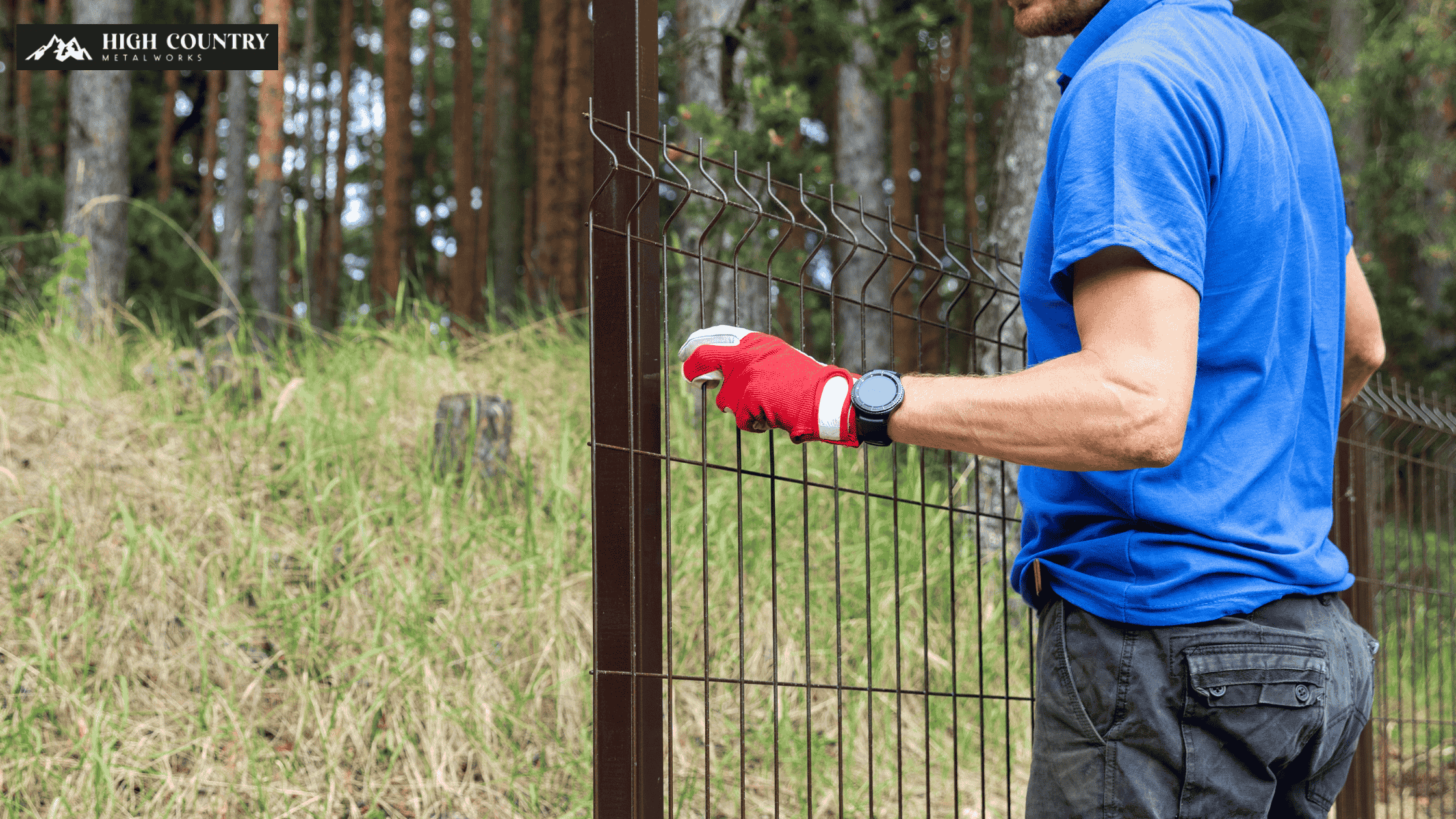
1. Plan and Measure Accurately
Before you break ground, map out post locations, gate placements, and panel counts. Measurement errors are among the most common and costly mistakes in metal fence installation. Confirm property lines and check local permit requirements before ordering materials.
2. Set Posts with Concrete Footings
Post depth and anchorage are the foundation of fence stability. Posts should be set in concrete footings, typically at a depth of one-third the post height plus an additional 6 inches. Properly set posts prevent leaning, panel sagging, and premature structural failure, especially in areas with freeze-thaw cycles or expansive soils, which are common in Utah.
3. Use Quality Fasteners and Welded Connections
Weak connections are the first place a fence fails. Use stainless-steel or hot-dip galvanized fasteners to resist corrosion. For permanent installations, professional welding creates the strongest joints and eliminates the risk of loosening over time.
4. Apply Protective Coatings Before and After Installation
Galvanizing, powder coating, or paint should be applied to all metal surfaces before installation, and any cut edges or drilled holes should be touched up afterward. Exposed bare metal is where corrosion starts. This is a critical step often skipped in DIY metal fence installation projects.
5. Conduct a Final Inspection
Before considering the project complete, verify panel alignment with a level, check all fasteners for tightness, inspect welds or connections, and confirm gate swing and latch function. A thorough inspection at this stage prevents costly repairs down the road.
Essential Tools for Metal Fence Installation
Post hole digger or power auger
Level and string line
Measuring tape and marking paint
Angle grinder and drill with metal bits
Safety gear: gloves, safety glasses, steel-toed boots
How to Maintain Metal Fences for Maximum Durability
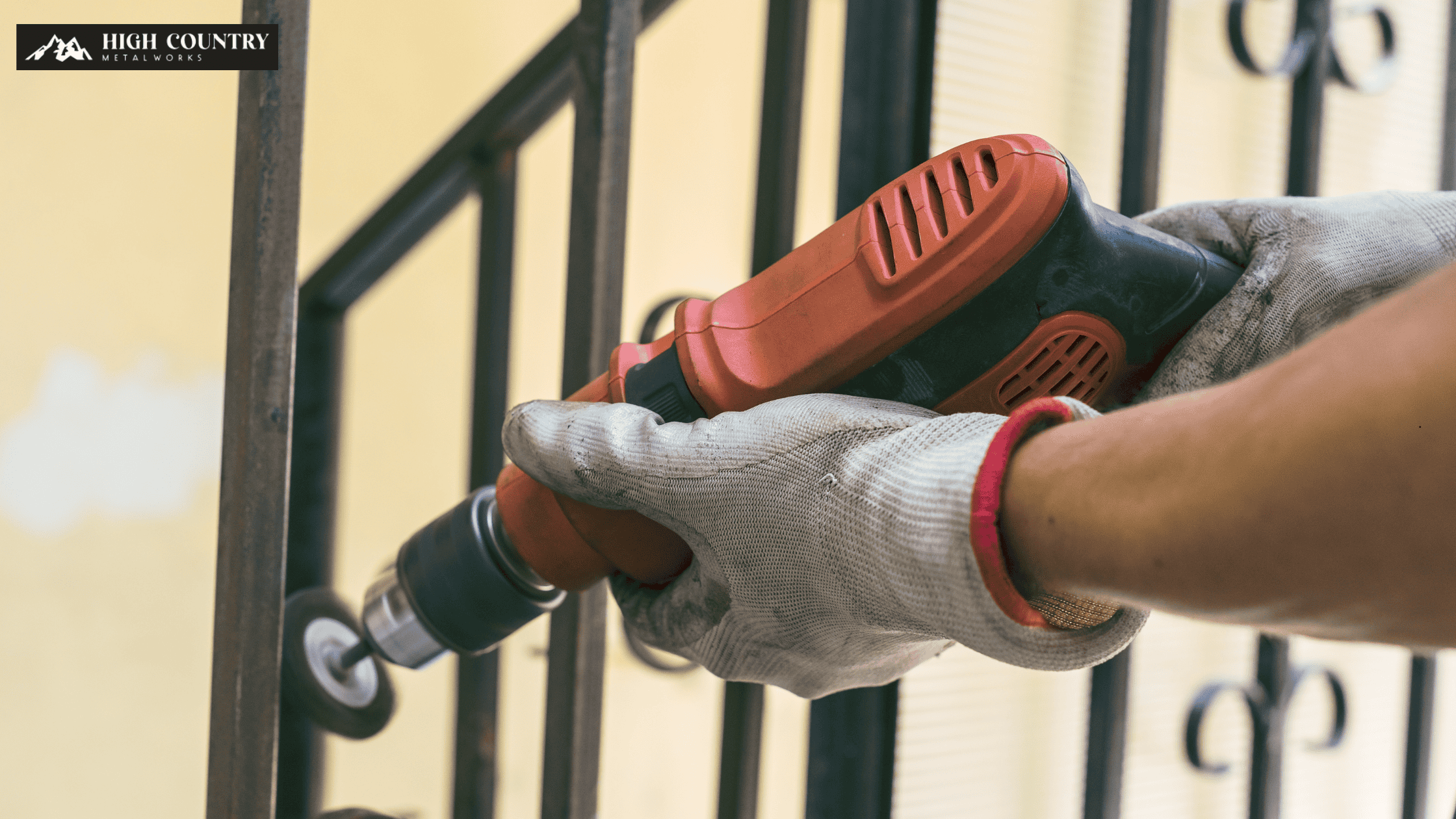
A well-maintained metal fence will outlast a neglected one by many years. Regular maintenance is far less expensive than full replacement and protects your investment in custom metalwork.
Routine Inspection Schedule
Inspect your fence at least twice annually, ideally in spring after winter and in fall before the cold season. Look for surface rust, loose fasteners, damaged welds, chipped coatings, and any leaning or misaligned panels. Early detection keeps small problems from becoming structural ones.
Rust Prevention and Coating Touch-Ups
Address rust spots as soon as you spot them. Sand the area to bare metal, apply a rust-inhibiting primer, and finish with paint or powder coat matched to your fence color. Reapply full protective coatings every 3 to 5 years, or sooner if the coatings show visible wear.
Cleaning Metal Fences
Wash the fence annually with a mild detergent solution and a soft brush or cloth. Remove road salt, bird droppings, and organic debris that trap moisture and accelerate corrosion. Avoid wire brushes or abrasive pads on powder-coated surfaces, as they will damage the protective finish.
Utah Climate Considerations for Metal Fence Care
Utah's climate, with its wide temperature swings, dry summers, and wet winters, creates specific challenges for metal fencing. Freeze-thaw cycles can shift post footings over time, while UV exposure at higher elevations degrades coatings faster than in lower-altitude regions. Choose UV-stable powder coatings, check post stability each spring, and prioritize corrosion-resistant alloys or finishes for any fence near de-iced roads or walkways.
Why Choose a Local Utah Metal Fabricator for Your Fence Project?
Working with a local Utah metalwork specialist offers advantages that national suppliers simply cannot match. A local craftsman understands regional soil conditions, climate demands, and building codes. They can visit the site, take precise measurements, and coordinate directly with you, reducing the miscommunications and delays common with remote vendors.
In-person consultation and site assessment
Designs tailored to Utah's climate and terrain
Faster turnaround on fabrication and installation
Direct accountability and clear communication throughout the project
Conclusion
Selecting the right type of metal fencing and installing it correctly is one of the best investments you can make in your property's security, appearance, and long-term value. Whether you're drawn to the timeless strength of wrought iron, the security of steel, or the low-maintenance practicality of aluminum, the key is matching the right material to the right application.
Pair your material choice with proper installation practices, deep concrete footings, quality fasteners, protective coatings, and thorough final inspection, and back it up with a consistent maintenance routine. The result is a fence that performs for decades with minimal issues.
Ready to Build a Metal Fence That Lasts?
High Country Metal Works specializes in custom metal fencing, gates, railings, and decorative metalwork for residential and commercial properties across Utah. Our team brings local craftsmanship, quality materials, and hands-on expertise to every project, large or small.
Contact us today for a consultation and free estimate. Visit High Country Metal Works to explore our portfolio and get started on your custom fencing project.
Frequently Asked Questions About Metal Fencing
1. What are the main types of metal fencing for residential properties?
The three most common residential metal fence types are wrought iron, steel, and aluminum. Wrought iron is best for decorative security, steel for maximum strength, and aluminum for low-maintenance, rust-free performance.
2. How do I choose between metal fencing options for my property?
Consider your primary goal: security, aesthetics, or low maintenance, then match the metal type to your budget and local climate. Steel suits high-security needs; wrought iron is ideal for curb appeal; aluminum works best where rust is a concern.
3. What are the most common metal fencing installation mistakes?
The most frequent errors include improper post depth, inaccurate measurements, skipping protective coatings on cut edges, and using low-quality fasteners. These issues lead to leaning panels, rust, and costly repairs.
4. How often should I maintain my metal fence?
Inspect at least twice a year, clean annually, and reapply protective coatings every three to five years. In harsh climates like Utah, more frequent inspections are recommended.
5. Should I install a metal fence myself or hire a professional?
DIY is feasible for experienced homeowners on smaller projects, but professional installation ensures correct post setting, proper coatings, and structural integrity, especially for custom designs, large perimeters, or commercial properties.


