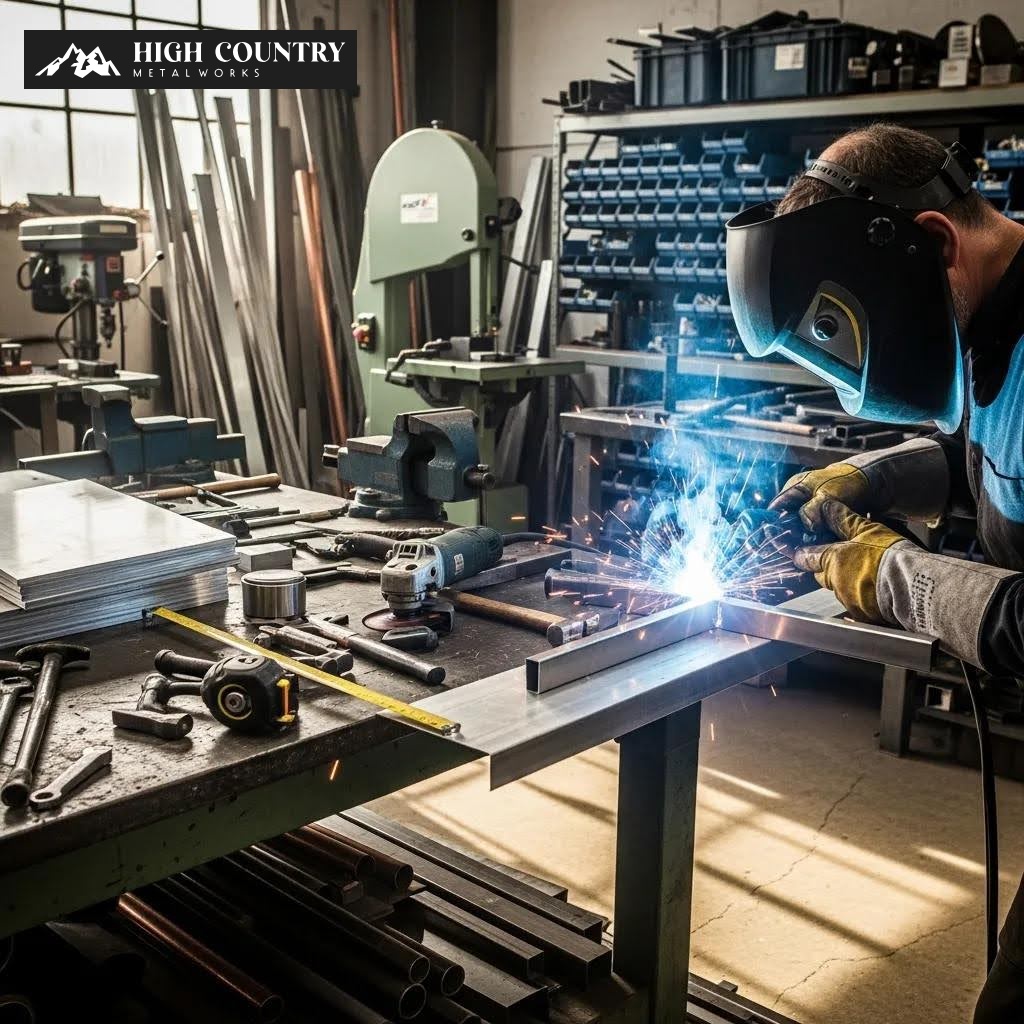
How to Choose the Right Metal Works in Utah for Your Project
Choose a metal fabricator by evaluating their specialized experience with similar projects, verifying AWS welding certifications and code knowledge, confirming modern fabrication equipment capabilities, and reviewing client references. Match material selection steel, aluminum, or wrought iron to Utah's climate demands, request itemized quotes, and prioritize fabricators with clear communication protocols and quality control procedures.
Key Takeaways:
Verify specialized experience through portfolios, references, and completed project case studies
Confirm AWS certifications, IBC code knowledge, and modern equipment (CNC, laser cutting, powder coating)
Select materials based on Utah climate: galvanized steel for durability, aluminum for corrosion resistance
Request itemized quotes covering materials, labor, design complexity, and installation logistics
Prioritize clear communication, documented processes, and code-compliant designs
Selecting the right metal fabricator in Utah determines whether your project delivers lasting value or ongoing headaches.
This guide covers essential evaluation criteria, from materials and certifications to communication and cost, helping homeowners and contractors make confident hiring decisions.
Define Your Metal Fabrication Project Requirements
Before contacting fabricators, clarify your project scope, design preferences, and performance requirements.
Residential vs. Commercial Metal Fabrication: Key Differences
Residential projects, custom railings, decorative gates, and fireplace surrounds prioritize aesthetics and personal style.
Commercial metalwork demands stricter code compliance, higher load capacities, and enhanced durability to meet building regulations like ADA standards and International Building Code (IBC) requirements.
Consider scale, complexity, and regulatory needs when preparing your project brief.
Balancing Style with Structural Performance
Your custom metalwork should merge form and function. Whether you prefer modern minimalism or ornate traditional designs, ensure specifications address:
Structural strength and load requirements
Safety standards (handrail heights, spacing)
Weather resistance for Utah's climate
Long-term durability and maintenance needs
Essential Criteria for Vetting Metal Fabricators

Evaluate potential partners using these four core factors:
1. Proven Experience in Your Project Type
Specialized experience matters because fabricators who've completed similar work understand common challenges and effective solutions. Request:
Portfolio photos of comparable projects
Client references you can contact
Case studies demonstrating problem-solving capabilities
A fabricator experienced in structural steel welding, ornamental ironwork, or architectural metalwork brings valuable insights specific to your needs.
2. Fabrication Capabilities and Modern Equipment
Shop capabilities directly impact precision, finish quality, and project timelines. Verify the fabricator has:
CNC machining for tight tolerances
Laser or plasma cutting for clean edges
Certified welding procedures (AWS qualified)
Powder coating or galvanizing capabilities
Quality finishing equipment
Modern tools improve accuracy and repeatability while reducing lead times.
3. Industry Certifications and Code Knowledge
Confirm your fabricator maintains:
AWS (American Welding Society) welding certifications
Knowledge of IBC and Utah building code amendments
ISO quality management credentials (where applicable)
OSHA safety compliance
Certifications validate consistent processes and commitment to safety standards.
4. Quality Control and Project Management
Strong fabricators implement documented quality control procedures, maintain clear communication protocols, and establish decision timelines from estimate through installation.
Selecting Metal Materials for Utah Conditions

Material choice affects upfront costs, maintenance requirements, and project lifespan.
Steel, Aluminum, and Wrought Iron: Material Comparison
Steel works best for structural components, high-load applications, and versatile designs, offering excellent strength and adaptability, though it requires protective coating since it's prone to rust without treatment.
Aluminum excels in outdoor installations, modern aesthetics, and corrosion-prone areas thanks to its natural resistance to weathering, but it has a lower strength-to-weight ratio than steel and requires specialized welding techniques.
Wrought iron suits decorative elements, traditional designs, and custom ornamental work with its classic appearance and malleability, though it comes at a higher cost, weighs more than alternatives, and has limited structural applications compared to steel.
Climate Considerations for Utah Metal Projects
Utah's variable climate freeze-thaw cycles, UV exposure, and road salt in winter demand corrosion-resistant solutions:
Galvanized or powder-coated steel for exposed locations
Aluminum for high-moisture environments
Marine-grade finishes near pool areas
Choose materials and protective coatings that extend service life in local conditions.
Cost Factors in Custom Metal Fabrication
What Drives Fabrication Costs?
Budget for these key variables:
Material market prices (steel and aluminum fluctuate)
Design complexity (custom fittings, tight tolerances)
Labor hours (specialty finishes, intricate welding)
Installation logistics (site access, crane requirements, field welding)
Request itemized quotes to compare accurately across fabricators.
Smart Budgeting Strategies
Establish a realistic budget range early
Prioritize must-haves (durability vs. decorative elements)
Ask about value-engineering alternatives
Include 10-15% contingency for field adjustments
Why High Country Metal Works Stands Out
As a Utah-based metal fabrication shop, we deliver custom metalwork tailored to local building codes and climate conditions:
Comprehensive services: railings, stair systems, gates, custom planter box, structural steel
Code-compliant designs that pass inspection
Direct communication throughout the project lifecycle
Quality welding and finishing for lasting performance
Our team combines creative design with practical fabrication expertise, ensuring projects install cleanly and perform reliably.
Take the Next Step
Choosing the right metal fabricator starts with clear project requirements and thorough vetting. High Country Metal Works combines local expertise with quality craftsmanship to deliver durable, code-compliant metalwork for Utah projects.
Ready to discuss your project? Contact us for a detailed consultation and estimate.
Frequently Asked Questions
1. How do I verify a metal fabricator's reputation?
Review online ratings, request client references, examine project portfolios, and check industry certifications. Contact past clients to ask about communication, quality, and on-time delivery.
2. What should I expect in an initial consultation?
A thorough discovery meeting covering project goals, dimensions, style preferences, budget parameters, and timeline. The fabricator should ask clarifying questions and outline next steps, estimates, shop drawings, and lead times.
3. What are the advantages of custom metal fabrication?
Custom work delivers a precise fit for your site conditions, tailored finishes, design flexibility, and superior quality compared to prefabricated alternatives, resulting in better aesthetics and longer lifespan.
4. Which metal finishes work best in Utah?
Powder coating, hot-dip galvanizing, and anodizing (aluminum) offer excellent protection against Utah's weather. Discuss exposure levels and maintenance preferences with your fabricator.
5. How long does a typical custom metal fabrication project take?
Timeline varies based on project complexity, material availability, and shop workload. Simple railings typically take 2-4 weeks from design approval to installation, while complex structural or ornamental work may require 6-10 weeks. Confirm lead times during your initial consultation and factor in design revisions, permit approvals, and weather-related installation delays.


