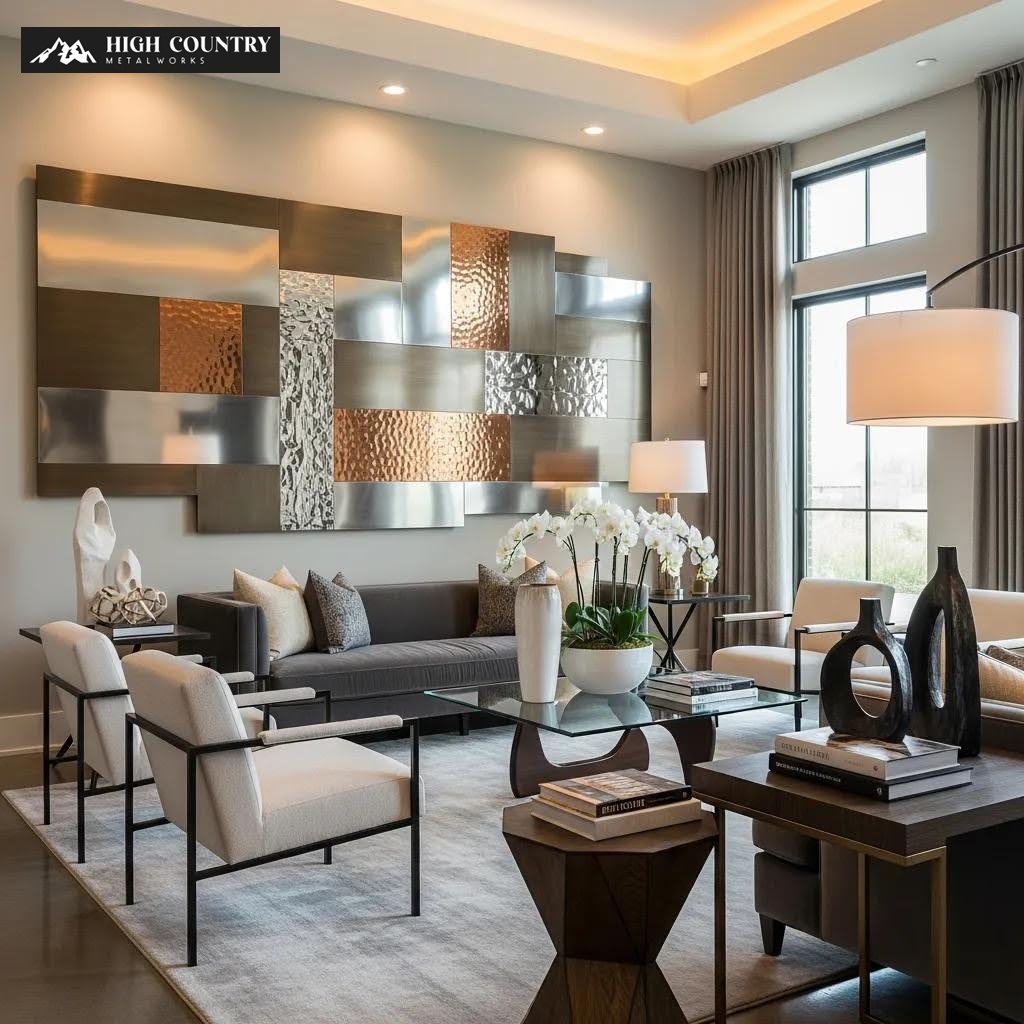
Metal Wall Panels: The Complete Guide to Luxury Interior Cladding
Metal wall panels are a high-impact way to transform interior spaces. This comprehensive guide explores luxury metal wall panel types, benefits, and fabrication steps. Whether you're a homeowner or designer seeking a signature element, we outline design inspiration and practical considerations for choosing the right solution.
Our Expertise: Over 15 years specializing in architectural metalwork with 500+ completed installations.
What Are Luxury Metal Wall Panels?
Luxury metal wall panels are premium decorative cladding systems introducing visual interest and tactile dimension to interiors. Made from architectural-grade metals including aluminum, stainless steel, copper, brass, and bronze, these panels manipulate light and shadow, add scale and rhythm, and create memorable accent walls. Metal's structural strength enables precise geometric patterns and textured surfaces that read beautifully at any distance, from intimate viewing to across large spaces.
These architectural elements serve dual purposes: they provide aesthetic distinction while offering practical benefits like durability, sound dampening, and protection for underlying wall surfaces. Whether used as full wall coverage or strategic accent panels, metal wall panels transform ordinary spaces into extraordinary environments.
Custom Textured Metal Wall Panels
Textured metal wall panels come in distinct styles: perforated, embossed, relief-patterned, and laser-cut, each offering unique characteristics. Perforated metal panels create fascinating light-play effects, filtering natural light while maintaining visual openness and improving acoustic performance in active spaces. The perforation patterns range from simple geometric grids to complex organic designs, each creating different shadow patterns throughout the day.
Embossed finishes add three-dimensional depth and sculptural quality, with raised or recessed patterns that catch light from multiple angles. These can range from subtle texture adding gentle visual interest to bold, dramatic reliefs that become room focal points. Laser-cut metal wall panels offer ultimate precision, creating intricate patterns, custom logos, or artistic designs that transform walls into functional art pieces. The interplay of solid and void creates dynamic visual experiences that change with viewer position and lighting conditions.
Expert Insight: Panel texture and ambient lighting interplay create dimensional depth and visual interest that flat treatments simply cannot achieve, making metal wall panels particularly effective in spaces where atmosphere and ambiance matter most.
How Metal Wall Panels Influence Style

Metal wall panels help define room atmosphere and character. Polished or mirror finishes feel contemporary and sleek, reflecting light to brighten spaces and create expanded volume. Brushed finishes offer refined elegance with subtle texture. Weathered patina or aged copper reads warm and lived-in, bringing organic character to modern spaces.
By selecting finishes, surface textures, and patterning scale, interior designers steer spaces toward specific design languages, minimal modern with clean lines, industrial edge with raw metals, or softer rustic character with hand-finished surfaces. Thoughtful metal wall cladding reinforces design intent and creates cohesive interiors where every surface contributes to the aesthetic story.
Metal's versatility allows designers to create gradient effects, combine multiple finishes, or integrate panels with materials like wood, stone, or glass for rich compositions. Surface treatments can be customized to match color palettes or create deliberate contrast.
Key Benefits of Metal Wall Panels
Metal wall panels deliver aesthetic impact and long-term practicality for luxury homes and commercial projects.
Durability: Metal wall panels resist warping, rot, termite damage, and moisture deterioration that plague wood products, ideal for high-traffic commercial spaces and active residential areas. Unlike drywall, which dents easily, metal panels maintain their appearance through years of use, translating to lower lifecycle costs.
Sustainability: Metal panels often contain 90%+ recycled content, particularly aluminum, which is infinitely recyclable. An extended 25+ year service life reduces replacement waste and embodied carbon. At the end of life, panels can be fully recycled, creating circular material flows. Many projects achieve LEED credits through responsible specification.
Aesthetic Versatility: From mirror-polished contemporary to hand-aged patina finishes, metal wall panels match any design language. Finishes can be customized through brushing, hammering, chemical patina, powder coating, or anodizing. This adaptability allows designers to achieve specific visions without compromising performance.
Fire Resistance: Most metal wall panels offer superior fire performance compared to wood or fabric alternatives, important for commercial code compliance and residential safety.
At High Country Metal Works, we deliver installations meeting strict standards with fabrication safety certifications and quality management systems.
Superior Performance
Metal wall panels offer superior resistance to moisture, pest infestation, and physical impact compared to wood or drywall. In humid climates or moisture-prone locations, metal's non-porous surface prevents mold and water damage. When paired with insulation, metal wall panels help regulate temperatures and contribute to building energy efficiency.
With 25+ year longevity and complete recyclability, metal panels represent cost-effective and environmentally responsible choices focused on total ownership rather than just initial costs.
Performance: Our 2010 installations maintain original finish with only basic cleaning, demonstrating metal's durability advantage.
Why Clients Choose Metal Wall Panels
Homeowners and developers choose metal wall panels for a unique visual signature and dependable performance that aligns with luxury property expectations. Bespoke designs are tailored to specific aesthetic tastes and functional project requirements, ensuring each installation is genuinely one-of-a-kind rather than a mass-produced standard product.
Low maintenance requirements mean metal wall panels continue looking pristine without regular refinishing, repainting, or replacement that wood and other materials demand. Lasting finishes maintain their intended appearance through decades of use, important for luxury residences, boutique hotels, upscale retail environments, corporate headquarters, and high-end restaurants where brand image and guest experience depend on consistently excellent presentation.
The prestige factor also matters, as metal wall panels signal quality, permanence, and design sophistication. They demonstrate commitment to lasting value over temporary trends, appealing to discerning clients who appreciate craftsmanship and materials that improve rather than depreciate over time.
Metal Wall Panel Fabrication: Concept to Installation

The fabrication process transforms design ideas into finished architectural features through step-by-step collaboration.
Design: We align on aesthetic goals and functional needs.
Material Selection: Choose a metal alloy and finish for durability, appearance, and code compatibility.
Fabrication: CNC precision cutting, forming, and finishing with experienced fabricators.
Installation: Expert installation ensures panels are secure, aligned, and integrated with lighting.
Crafting Bespoke Metal Wall Panels
Consultation: Review goals, budget, and timeline.
Design Development: CAD drawings and specifications translate concepts into buildable components.
Material Procurement: Source high-quality architectural metals.
Fabrication: AWS-certified technicians cut, shape, and finish each panel.
Quality Control: Inspect for accuracy and finish quality.
Installation: Trained teams ensure precise results.
Every project includes a pre-installation mockup and post-installation walkthrough.
Installation Best Practices
Our certified installers follow industry standards:
Confirm precise measurements and mock up critical junctions
Use quality anchors rated for panel weight and substrate
Follow the manufacturer's installation guidelines
Allow expansion gaps for thermal movement
Design Applications for Metal Wall Panels
Metal wall panels redefine spaces from residential feature walls to commercial interiors.
Statement Walls
Textured metal wall panels create compelling focal points. Embossed metal panels add sculptural depth to fireplace surrounds, while perforated panels soften acoustics and create intimate zones without blocking light.
Elegant Accents
Subtle metal wall panel accents in bedrooms bring sophistication; bold geometric panels in offices create energizing backdrops. In hospitality and retail, custom metal wall panels reinforce brand identity.
Industry Application: Designers increasingly specify metal wall panels for lobby feature walls where durability meets design impact.
Metal Wall Panels vs. Other Materials
Metal wall panels differ from wood, stone, and faux materials in key ways:
Durability: Outperforms wood in moisture/pest resistance, rivals stone without weight concerns
Maintenance: Less routine care than wood or stone, requiring sealing
Versatility: Greater design flexibility than stone or faux products
Installation: Lighter than stone, simplifying structural requirements
Why Metal Wall Panels for Luxury Design

Metal wall panels offer clean, refined looks with customization matching designer visions. Their adaptability from satin-brushed to hand-applied patinas and laser-cut perforations suits wide-ranging styles from minimalist to industrial to warm contemporary.
Design Trend: 2025-2026 trends favor mixed-metal applications and textured bronze finishes.
Selecting and Maintaining Metal Wall Panels
Key considerations for metal wall panels:
Material Choice: Metal type affects durability and appearance
Design Complexity: Intricate patterns add time and cost
Maintenance: Typically low but varies by finish
Cost: Balance upfront investment against lifecycle value
Building Codes: Verify fire rating compliance and permits
Choosing Texture and Finish
Match the texture and finish to the room design and lighting. Reflective finishes suit modern interiors; matte or patinated surfaces complement rustic palettes. Consider lighting interaction, directional LED emphasizes texture, softer light mutes reflections.
Designer Tip: Request physical metal wall panel samples under actual lighting, as screens cannot represent metal's dimensional qualities.
Maintenance Guidelines
Clean Regularly: Dust with a soft cloth and pH-neutral detergent
Inspect: Check for scratches, dents, or loose fasteners
Avoid Harsh Chemicals: Use recommended gentle cleaners
Moisture Protection: Install properly in damp locations or use corrosion-resistant alloys
Annual Inspections: Schedule for commercial installations
Metal panels offer high durability, require low maintenance, and provide high aesthetic versatility.
Wood has medium durability, needs high maintenance, and offers medium aesthetic versatility.
Stone is highly durable, requires medium maintenance, but has low aesthetic versatility.
Faux materials have low durability, require high maintenance, and provide medium aesthetic versatility.
Conclusion
Metal wall panels combine lasting performance with strong visual impact, making them smart investments for refined interiors. When expertly installed by certified fabricators, metal wall panels deliver signature looks that stand the test of time.
Ready to Start? Contact our design consultants for a complimentary consultation and samples. With 15+ years of expertise and hundreds of satisfied clients, we're ready to bring your vision to life.
High Country Metal Works serves residential and commercial clients across North America. All metal wall panel installations include warranties and ongoing support.
Frequently Asked Questions
1. What metals are used for metal wall panels?
Common metals include aluminum (lightweight, corrosion-resistant), stainless steel (modern, durable), copper, and brass (warm patina). Choice depends on aesthetics, performance, and budget.
2. How do I maintain metal wall panels?
Regular dusting and occasional cleaning with a soft cloth and pH-neutral detergent. Inspect for damage and avoid harsh chemicals.
3. Can metal wall panels be used outdoors?
Yes, with metals and coatings rated for exterior exposure. Aluminum and marine-grade stainless steel perform well outdoors with powder-coated finishes.
4. What are cost factors?
Material choice, design complexity, and installation labor. Premium metals and intricate patterns increase costs. Factor in coatings and permits.
5. How do metal wall panels support energy efficiency?
When installed with proper insulation and air barriers, reflective finishes reduce heat gain. Recycled metals support LEED goals.


