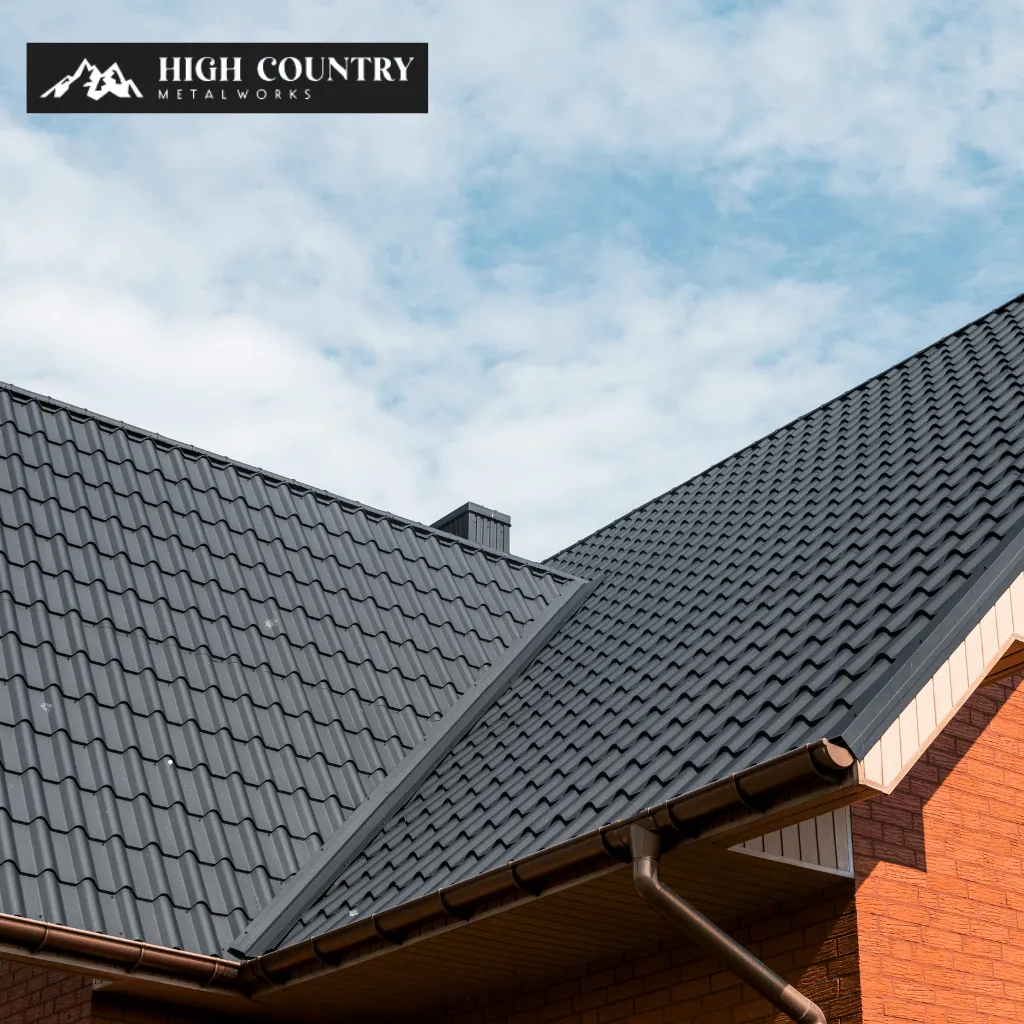
Metal Roofing Options That Survive Utah Snow, Sun & Hail
Metal roofing excels in Utah's extreme climate through three core advantages: smooth panels shed heavy snow and prevent ice dams, reflective coatings reduce cooling costs by 10-25% under intense sun, and Class 3-4 hail ratings protect against storm damage. Standing seam, stone-coated steel, and metal shingles each last 40-70 years, significantly outperforming traditional asphalt shingles.
Key Takeaways
Standing seam offers superior snow shedding with hidden fasteners and 40-70 year lifespan
Stone-coated steel provides the best hail protection with traditional appearance and lighter weight
Metal shingles deliver design flexibility for complex roofs with 30-60 year durability
Reflective coatings cut summer cooling costs 10-25% while resisting UV degradation
Metal roofs last 2-4x longer than asphalt shingles with minimal maintenance requirements
Recyclable materials and energy savings make metal roofing environmentally sustainable
Utah's climate is tough on roofs. Heavy winter snow, intense summer sun, and sudden hailstorms can shorten the life of conventional roofing. Metal roofing systems are built to handle all three, shedding snow efficiently, reflecting heat, and standing up to hail impact, while adding lasting beauty to your home.
This guide covers the metal roofing options that perform best in Utah's mountain climate, explains how different materials and coatings protect your home, and helps you choose the right system for your needs.
Why Metal Roofing Works Best in Utah's Climate
Metal roofing directly addresses Utah's three biggest roofing challenges: snow buildup, intense solar heat, and hail damage.
Snow and Ice Protection
Smooth metal panels let snow slide off naturally instead of piling up. Interlocking seams reduce the risk of ice dams forming at your eaves, which means fewer leaks during freeze-thaw cycles.
Heat and UV Resistance
Reflective coatings bounce sunlight away from your home, cutting cooling costs by 10–25% in summer. Factory-applied finishes resist fading and chalking for decades, even under Utah's intense sun.
Hail Defense
Heavier-gauge metal and stone-coated surfaces absorb and disperse hail impact better than traditional shingles, protecting your investment from storm damage.
The result? Fewer repairs, longer roof life, and better performance year-round.
How Metal Roofing Handles Heavy Snow and Ice Dams
Metal roofs manage snow through three key features:
Low-Friction Surfaces
Smooth panels encourage snow to slide off in sheets rather than building up in dangerous layers. This self-shedding behavior reduces weight on your roof structure.
Concealed Fasteners
Hidden fasteners mean fewer penetration points where leaks commonly start during freeze-thaw cycles. Continuous seams guide meltwater safely away from vulnerable spots.
Thermal Control
Proper underlayment, ice-and-water shields, and balanced attic ventilation keep your roof deck at a steady temperature. This reduces the melt-refreeze cycles that create ice dams and water damage.
Professional installers also size panels and framing to meet local snow-load requirements, ensuring your roof can handle Utah's winter weather.
What Makes Metal Roofing Resistant to Summer Heat?
Metal roofs stay cooler through smart material choices:
Reflective Coatings
Light-colored or "cool" finishes with high solar reflectance bounce more sunlight away. Combined with proper ventilation, this can reduce your cooling needs by 10–25%.
Long-Lasting Finishes
Factory-applied fluoropolymer and ceramic coatings resist fading and chalking for 30+ years, maintaining both performance and curb appeal.
Stone-Coated Options
Mineral granules on stone-coated steel add UV protection and reduce surface temperatures, though they work differently than smooth reflective panels.
Top Metal Roofing Types for Utah Homes
Three metal roofing systems dominate Utah installations, each offering distinct advantages:
1. Standing Seam Metal Roofing

Best for: Modern aesthetics, maximum snow shedding, and long-term performance
Standing seam roofs feature raised vertical seams that create a clean, architectural look. The hidden fasteners reduce leak risk, and the continuous interlocks guide water away from vulnerable spots.
Key benefits:
Excellent snow shedding with sheet-style release
Concealed fasteners for better watertightness
Works with snow-retention devices when needed
Clean lines that suit modern and traditional homes
40–70 year lifespan
2. Stone-Coated Steel Roofing

Best for: Hail protection, traditional appearance, and lighter weight
Stone-coated steel combines a strong steel base with a protective layer of mineral granules. The granules absorb hail impact and hide minor denting while providing excellent UV resistance.
Key benefits:
Superior hail resistance from granule surface
Looks like tile or shake, but with metal durability
Lighter weight works for many retrofit projects
UV-stable colors that last in high-elevation sun
40–60 year lifespan
3. Metal Shingles

Best for: Complex roof designs, versatile styling, and retrofit flexibility
Metal shingles replicate the look of slate, shake, or tile in modular units that install faster and weigh less than the real materials. They're ideal for homes with intricate rooflines or specific architectural requirements.
Key benefits:
Mimics premium materials at a lower weight
Modular format simplifies repairs
Works well on complex roof geometry
Multiple style options for design flexibility
30–60 year lifespan
Long-Term Benefits of Metal Roofing
Metal roofs cost more upfront but deliver clear advantages over time:
Extended Lifespan
Metal roofs last 40–70 years compared to 15–30 years for asphalt shingles—often outlasting two or three traditional roofs.
Energy Savings
Reflective coatings can cut cooling costs by 10–25%, adding up to significant savings over decades.
Lower Maintenance
Metal resists moss, rot, and weather damage. Annual inspections and occasional gutter cleaning are typically all that's needed.
Better Resale Value
A quality metal roof adds curb appeal and can lower insurance premiums due to superior hail and wind resistance.
Sustainability
Most metal roofing contains recycled content and is fully recyclable at end-of-life, reducing environmental impact.
How High Country Metal Works Delivers Superior Results
Our approach combines custom fabrication with climate-tested design:
Precision Manufacturing
In-house fabrication means we control tolerances on every panel, seam, and flashing. This precision reduces field adjustments and improves weather-tightness.
Custom Design
We work with you to match materials, finishes, and details to your home's architecture, whether that's sleek standing seam for a modern retreat or copper accents for a historic property.
Quality Control
Dimensional checks and coating inspections during production ensure consistent performance and appearance. Fewer callbacks mean better results for you.
Site-Specific Engineering
We verify that your roof meets local snow-load and wind-resistance codes while accommodating snow-retention zones, gutters, and penetrations.
Getting Started with Your Metal Roof

Follow these steps to begin your project:
Collect Project Details – Gather roof photos, approximate square footage, and any style preferences
Schedule Assessment – Arrange a site visit or virtual review to evaluate your roof geometry and exposure
Select Materials & Finishes – Choose substrate, seam type, and coatings that match your goals
Approve Design & Quote – Review renderings, specifications, and cost estimate before scheduling
Fabrication & Installation – We fabricate in controlled conditions, then install with certified crews and final quality checks
Which Metal Roof System Is Right for You?
Choose based on your priorities:
Standing seam if snow shedding, modern aesthetics, and maximum longevity matter most
Stone-coated steel if you face frequent hail, want traditional looks, or need lighter weight
Metal shingles if you have a complex roofline, need design flexibility, or are doing a retrofit
All three systems deliver excellent performance in Utah's climate. The right choice depends on your roof pitch, exposure, budget, and design preferences.
How Much Does Metal Roofing Cost in Utah?
Cost varies based on material choice, roof complexity, finish quality, and customization level. Premium materials like copper, complicated geometries with many valleys, extensive custom flashing, and specialized finishes increase the price.
For an accurate estimate, provide roof photos, measurements, and material preferences when requesting a quote. Working with a local fabricator who evaluates your site conditions ensures better planning and more accurate pricing.
Ready to Protect Your Home?
A quality metal roof protects against Utah's extreme weather while improving energy efficiency and home value. Whether you're building new or replacing an aging roof, the right metal system delivers decades of reliable performance with minimal maintenance.
Contact High Country Metal Works to explore custom metal roofing solutions tailored to your property and climate needs. We'll help you choose the best materials and finishes for your home and provide a detailed quote for your project.
Frequently Asked Questions
1. What maintenance does metal roofing need?
Inspect once or twice yearly to clear debris and check for damage. A gentle wash maintains appearance. Simple maintenance extends service life and protects your warranty.
2. Can metal roofing go over an existing roof?
Often yes, if the structure is sound and local codes allow it. This saves on tear-off costs and speeds installation. A site assessment determines if an overlay is right for your home.
3. How do I choose the right color?
Lighter colors reflect more heat and reduce cooling costs; darker tones may suit your architecture better. Consider your landscape and how dirt shows over time. Review physical samples before deciding.
4. What warranties come with metal roofing?
Expect limited lifetime warranties on panels and 20–40 year paint warranties, depending on the coating. Maintenance requirements apply, so discuss coverage details with your installer.
5. Is metal roofing environmentally friendly?
Yes. Metal roofs contain recycled content, are fully recyclable, reduce energy use through reflective coatings, and last longer than traditional roofing, creating less waste.


