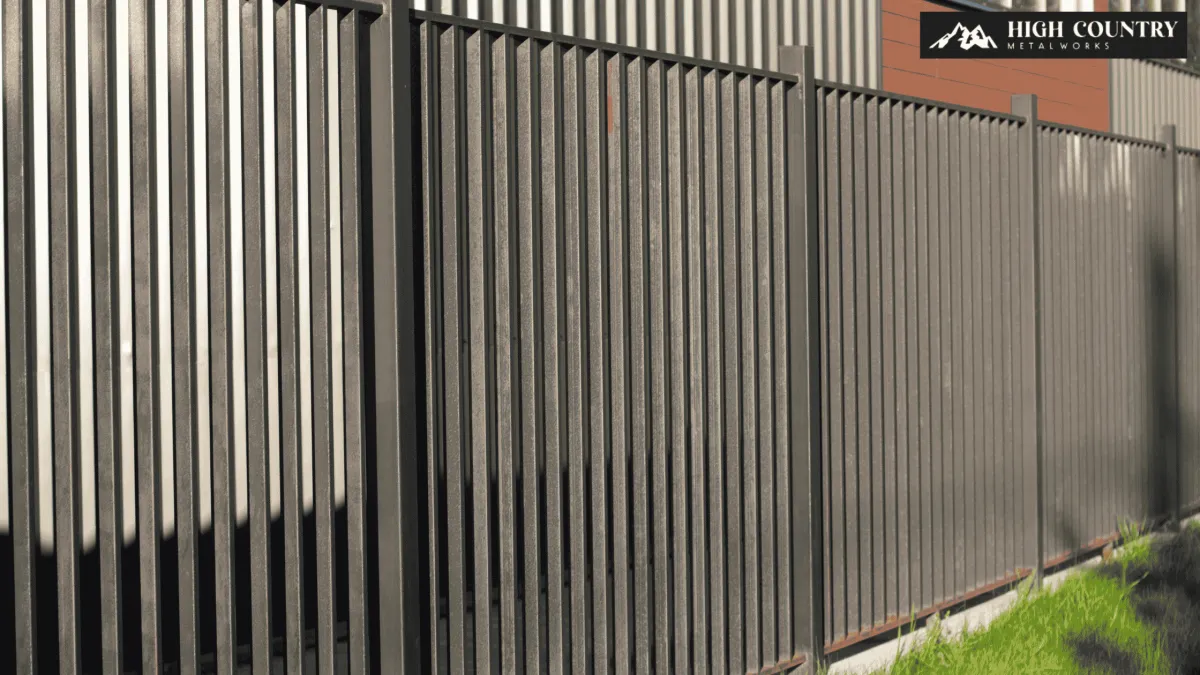
8 Metal Fence Types and How to Choose the Right One
The most popular metal fence types are wrought iron, aluminum, steel, chain link, ornamental steel, welded wire, corrugated metal privacy panels, and powder-coated aluminum. Aluminum and powder-coated aluminum suit most homeowners because they resist rust and need almost no upkeep, while wrought iron and steel are better for security-focused or heavy-duty applications.
Key Takeaways:
Metal fence types range from budget-friendly chain link to ornamental wrought iron and low-maintenance aluminum.
Steel fencing offers the best strength-to-cost ratio for security and livestock containment.
Powder-coated aluminum is the top pick for coastal or high-moisture climates because it resists rust.
Your choice should balance budget, maintenance tolerance, property style, and local climate.
A professional fabricator can custom-build metal fence options that off-the-shelf products can't match.
Choosing a fence is one of those decisions that looks simple until you actually start comparing materials. Wood rots, vinyl fades, and chain link doesn't exactly scream curb appeal. That's why so many homeowners land on metal: it holds up, it looks sharp for decades, and it comes in far more styles than most people realize.
At High Country Metal Works, we've fabricated and installed custom metal railings, gates, and fencing for residential and commercial properties for years, and one question comes up constantly: "Which metal fence is actually right for my yard?" The honest answer is that it depends on what you're trying to accomplish: privacy, security, curb appeal, or all three. Below, we break down eight of the most common types of metal fence, along with the pros, cons, and best use cases for each, so you can make a confident, informed decision.
1. Wrought Iron Fencing
Wrought iron is the classic choice when people picture a metal fence. It's been used for centuries on estates, gardens, and historic properties, and it still stands out as one of the most elegant metal fencing options available today.
Pros:
Timeless, upscale appearance
Extremely durable when properly maintained
Highly customizable scrollwork, finials, and custom gates are all possible
Cons:
Requires periodic repainting to prevent rust
Heavier and more labor-intensive to install
Generally the most expensive option upfront
Wrought iron makes the most sense if you want a fence that doubles as an architectural statement, particularly on older or historic-style homes. Because true wrought iron is hand-forged rather than mass-produced, no two designs are ever quite identical, which is part of what keeps it in demand for high-end residential and estate projects. If you choose this route, plan on a maintenance schedule that includes rust inspection and touch-up painting every few years to protect your investment for the long haul.
2. Aluminum Fencing
Aluminum has become the go-to metal fence type for homeowners who want the iron look without the iron maintenance. It's lightweight, won't rust, and holds paint or powder-coat finishes exceptionally well.
Pros:
Rust-proof and low maintenance
Lighter, easier installation than steel or iron
Wide range of styles, from ornamental to modern flat-top
Cons:
Less rigid than steel; not ideal for high-impact security needs
Can dent if struck hard
For most residential yards, pools, and gardens, aluminum hits the sweet spot between appearance, cost, and upkeep.
3. Steel Fencing
If durability and security are the top priorities, steel fencing is hard to beat. It's stronger and more impact-resistant than aluminum, making it a common choice for commercial properties, industrial sites, and anyone fencing in livestock or securing a large piece of land.
Pros:
Exceptional strength and impact resistance
Long lifespan when properly coated
Good option for security fencing and agricultural use
Cons:
Prone to rust if the coating is scratched or worn
Heavier, which can increase installation cost
Galvanized or powder-coated steel is worth the extra step, since it dramatically extends the fence's life in wet or humid climates. Ranch and farm properties in particular benefit from steel's rigidity, since it holds up against livestock pressure, falling branches, and heavy wind loads far better than lighter materials. Commercial property owners also lean on steel fencing around equipment yards and storage sites where deterring unauthorized access is a top concern.
4. Chain Link Fencing
Chain link isn't glamorous, but it remains one of the most practical metal fence options for anyone who needs a functional boundary without a big budget. It's common around yards, dog runs, sports courts, and construction sites.
Pros:
Most affordable metal fencing option
Fast to install
Low maintenance and long-lasting
Cons:
Minimal privacy or visual appeal
Vinyl-coated versions look better but still read as utilitarian
Chain link is a smart, budget-conscious choice when function matters more than style; think backyard containment or temporary perimeter fencing.
5. Ornamental Steel Fencing
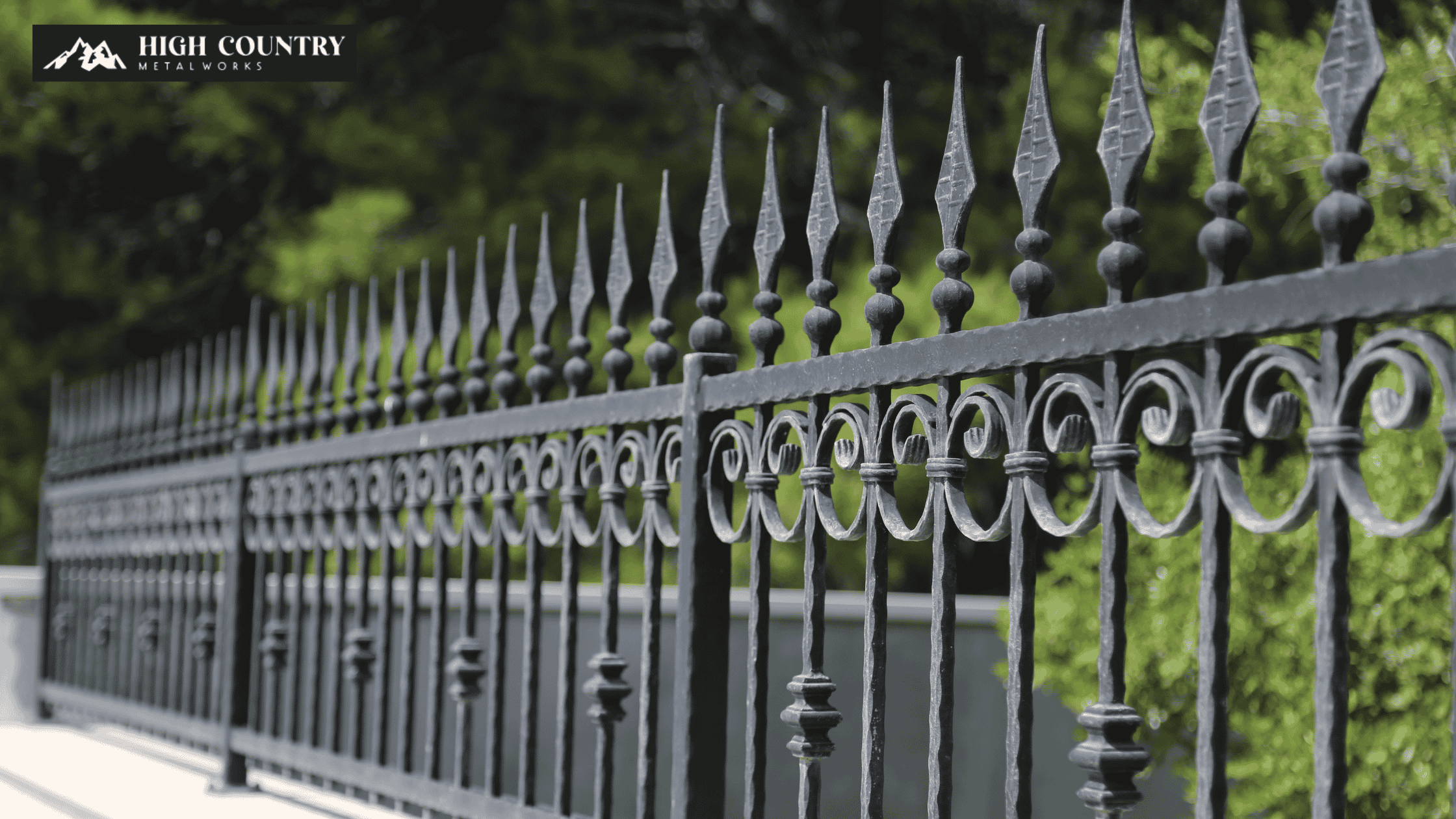
Ornamental steel blends the strength of steel with the decorative detail typically associated with wrought iron. Manufacturers achieve this by welding pre-formed steel components into decorative panels, which keeps costs lower than hand-forged iron while still delivering a high-end look.
Pros:
Strong, secure, and visually striking
More affordable than true wrought iron
Available in numerous decorative styles
Cons:
Still requires rust prevention over time
Heavier than aluminum alternatives
This is a strong middle-ground option for homeowners who want the ornamental look without the wrought-iron price tag.
6. Welded Wire and Field Fencing
Welded wire fencing is a staple in rural and agricultural settings. It's typically galvanized steel wire welded into a grid pattern, and it's built to contain livestock, deter wildlife, or mark property boundaries across large acreage.
Pros:
Cost-effective for covering large areas
Durable and functional for farm or ranch use
Easy to combine with wood or metal posts
Cons:
Not designed for aesthetics
Limited privacy or security against human intrusion
If you're fencing several acres or need containment for animals, welded wire is often the most practical of all metal fence types.
7. Corrugated Metal Privacy Panels
Corrugated metal fencing has grown in popularity over the last several years, especially among homeowners chasing a modern, industrial-inspired look. Solid metal panels, often steel or aluminum, create complete privacy while adding a distinctive architectural edge.
Pros:
Full privacy, unlike open-style metal fences
Modern, industrial aesthetic
Highly durable against wind and weather
Cons:
Can trap heat and reduce airflow in tight spaces
Higher material cost than open designs
Corrugated metal panels work particularly well for modern builds, urban lots, or anyone wanting a distinctive alternative to traditional wood privacy fencing.
8. Powder-Coated Aluminum Fencing
Powder-coated aluminum deserves its own spot on this list because of how well it performs in demanding climates. The powder-coating process bonds a protective finish directly to the metal, which resists chipping, fading, and corrosion far better than standard paint.
Pros:
Superior rust and corrosion resistance
Finish holds color for years, even in harsh sun or moisture
Virtually maintenance-free
Cons:
Slightly higher upfront cost than uncoated aluminum
Custom colors may require longer lead times
For homeowners near mountains, lakes, or areas with heavy seasonal moisture, powder-coated aluminum is consistently one of the most reliable metal fence options we install.
How to Choose the Right Metal Fence Type
With eight solid options on the table, narrowing down the right one comes down to a handful of practical factors.
What's Your Main Goal: Privacy, Security, or Style?
If privacy is the priority, corrugated metal panels are hard to beat. If security matters most, steel or ornamental steel fencing offers the strength to back it up. If you're mainly after curb appeal, wrought iron or aluminum ornamental styles will do the heavy lifting.
What's Your Climate Like?
Humid, rainy, or coastal environments accelerate rust, so aluminum or powder-coated aluminum will outlast unprotected steel or iron over time. Drier climates give you more flexibility to choose based on style alone.
How Much Maintenance Are You Willing to Do?
Wrought iron and untreated steel need periodic inspection and repainting. Aluminum and powder-coated aluminum are close to maintenance-free, which matters if you'd rather spend weekends doing anything other than touching up paint.
What's Your Budget?
Chain link and welded wire sit at the affordable end, ornamental steel and aluminum land in the middle, and hand-forged wrought iron typically commands the highest price. Custom fabrication can also be tailored to fit a specific budget without sacrificing durability.
Is Custom Fabrication Worth It?
Off-the-shelf fencing works for straightforward properties, but sloped yards, custom gate widths, or specific architectural styles often call for a custom-fabricated solution. Working with a local metal fabricator ensures the fence fits your exact property, matches your home's style, and meets any HOA or code requirements.
Do You Need to Account for Local Codes or HOA Rules?
Many municipalities and homeowners associations set specific rules around fence height, style, and even color, especially for front-facing property lines. Checking these requirements before finalizing a design can save you from costly rework down the line, and an experienced fabricator will usually already be familiar with local code requirements in your area.
Why Professional Fabrication Makes a Difference
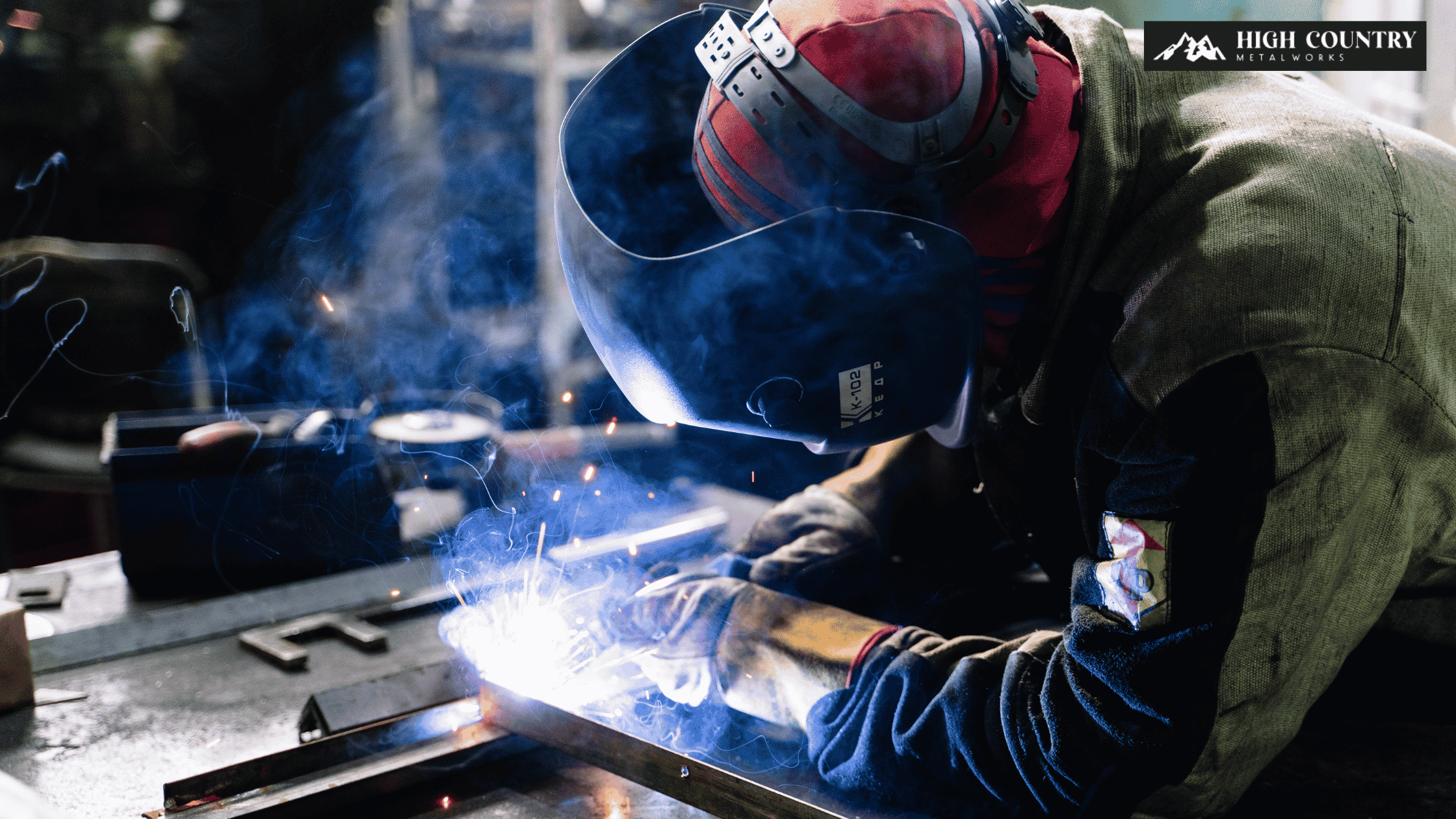
Big box fencing kits are built to fit average lot dimensions, which works fine until your yard has a slope, an odd angle, or a gate opening that doesn't match a standard size. A professional metal fabricator measures your property directly, accounts for grade changes, and welds or assembles components to fit precisely instead of forcing a generic panel into place. That precision typically means a straighter, sturdier fence line with fewer visible gaps.
Working with a fabricator also opens up finish options that aren't available off the shelf. Custom powder-coat colors, decorative post caps, matching gate hardware, and integrated house-number or address plaques are all things a fabrication shop can build into the project from the start. For homeowners who want their fence to complement an existing railing, staircase, or gate on the property, custom fabrication keeps the metal finish and style consistent across every feature.
Final Thoughts
There's no single "best" metal fence type; the right choice depends on your property, your climate, and what you actually need the fence to do. Aluminum and powder-coated aluminum cover most residential situations well, steel and ornamental steel handle security and heavier-duty needs, and chain link or welded wire remain reliable, budget-friendly workhorses. If you're still weighing your options, a conversation with a local fabricator can help match the right material and design to your specific property.
Frequently Asked Questions
1. What is the most durable type of metal fence?
Steel is generally the most durable metal fence type due to its strength and impact resistance. Properly galvanized or powder-coated steel can last decades even in tough conditions.
2. Which metal fence requires the least maintenance?
Aluminum and powder-coated aluminum require the least maintenance since they resist rust and rarely need repainting. A simple rinse a few times a year is usually enough to keep them looking new.
3. Is aluminum or steel better for a fence?
Aluminum is lighter, rust-proof, and easier to install, making it ideal for most residential yards. Steel is stronger and better suited for security or agricultural applications where impact resistance matters more.
4. How much does a metal fence typically cost?
Costs vary widely by material, with chain link and welded wire on the low end and wrought iron on the high end. Custom fabrication, gate additions, and finish options like powder coating will also affect the final price.
5. Can metal fences be customized for unique property layouts?
Yes, custom fabrication allows metal fences to be built for sloped yards, unusual gate widths, or specific architectural styles. A local fabricator can design a fence that fits the property precisely rather than forcing a standard off-the-shelf size.


